
Loading coils and cores into containers: securing, weight and moisture
Electrical steel is heavy, concentrated cargo that is sensitive to moisture. How we plan container loads so that coils and cores arrive flat, dry and undamaged.
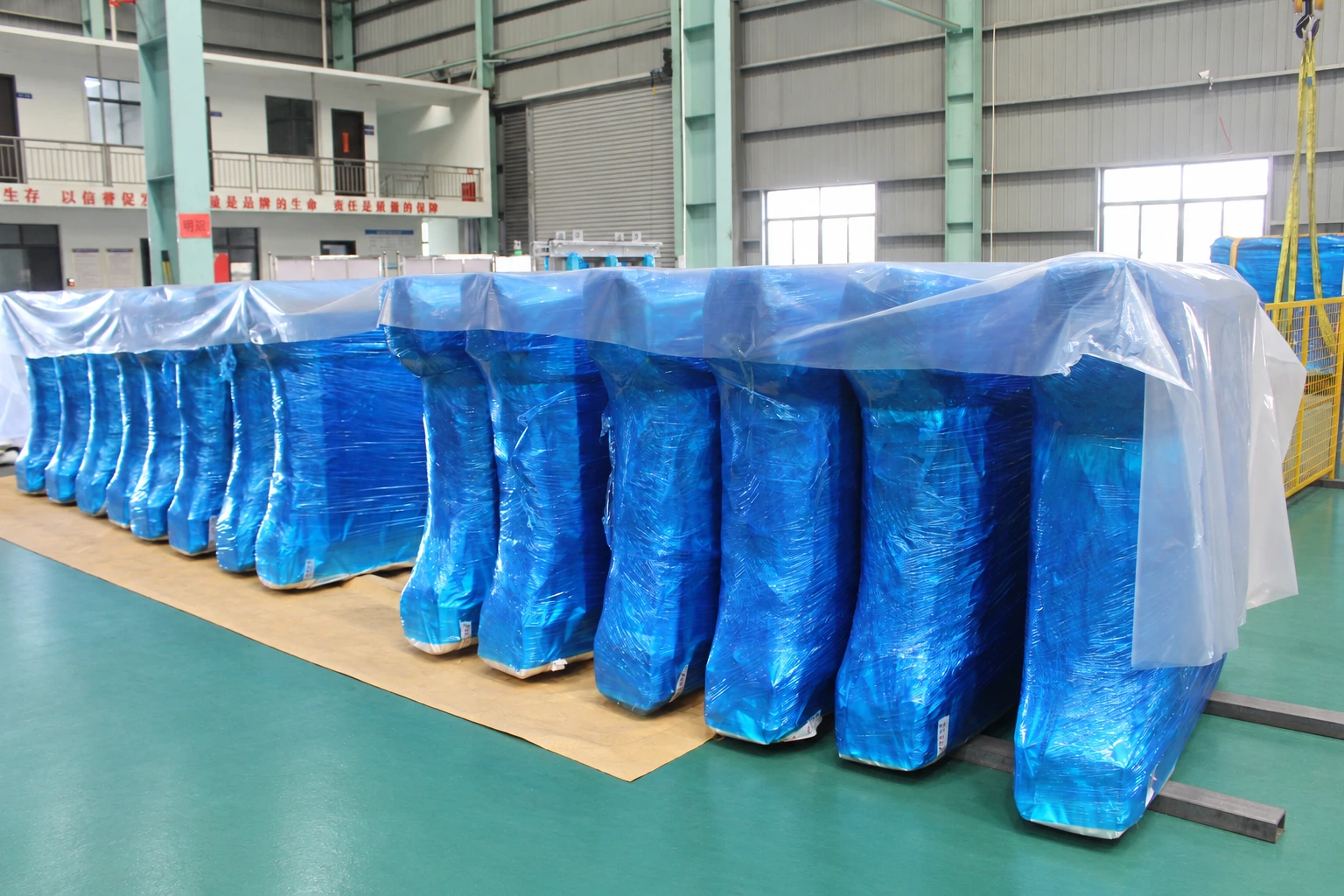
A 20-foot container can carry more weight of steel than its floor can spread safely if the load is badly placed. Coils and transformer cores concentrate their weight on a small area, and a voyage of several weeks exposes them to condensation. Container planning is therefore part of every export order.
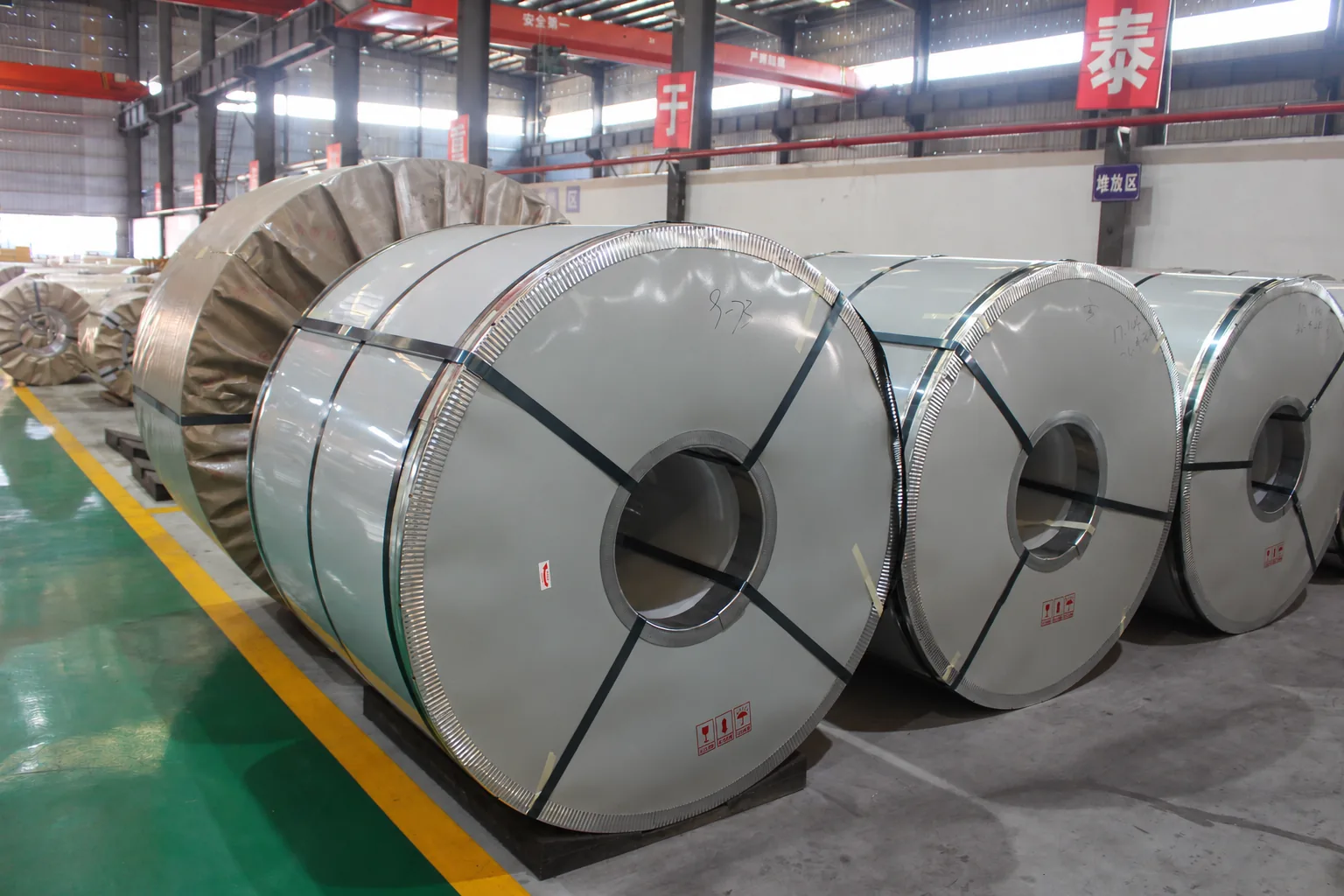
Packing a coil for export
- Inner and outer wraps of anti-rust paper, with desiccant where needed.
- Edge protectors and corrugated rings on both ends, then a plastic film sealed around the coil.
- Inner and outer steel or board guards, steel end plates, and banding in both directions.
Weight and placement
- We plan the load so that the weight is spread along the container floor and the centre of gravity stays near the middle.
- Heavy coils sit on timber saddles or pallets, never directly on the container floor.
- We check the gross weight against the container rating and road limits at destination.
A standard 20-foot container is commonly rated for a maximum gross mass of 30,480 kg, but the practical limit is often set by the road at destination. Many countries limit the total weight of a truck and trailer, so a container that is legal at sea may be too heavy for the last leg. Tell us the limit at your plant and we will plan coil weights to suit.
Coils can travel eye-vertical, lying flat on a pallet, or eye-horizontal in timber cradles. Eye-vertical is easier to secure and suits smaller slit coils; heavy master coils usually travel eye-horizontal. Tell us how you unload, because a forklift with a coil ram and an overhead crane with a C-hook need different arrangements.
Each lashing is tied to the container’s lashing points, not to the floor boards, and the load is checked once more before the doors are closed and sealed.
Securing
Coils and crates are blocked and lashed so that they cannot slide or roll when the ship pitches or the truck brakes. Gaps are filled with timber bracing or dunnage bags.
Moisture
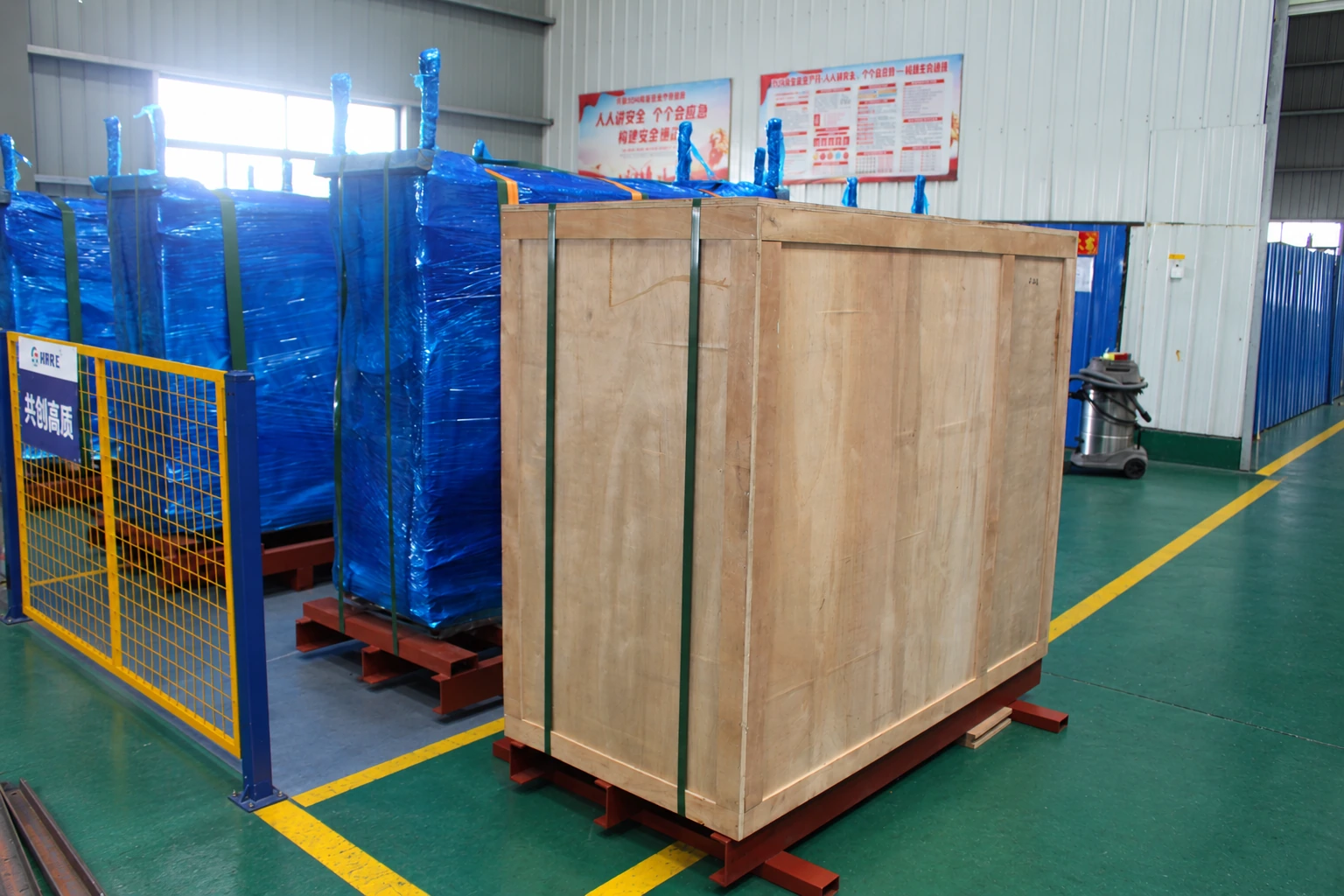
- Coils are wrapped in anti-rust paper or film, with desiccant where needed.
- We load only dry, sound containers and inspect them before loading.
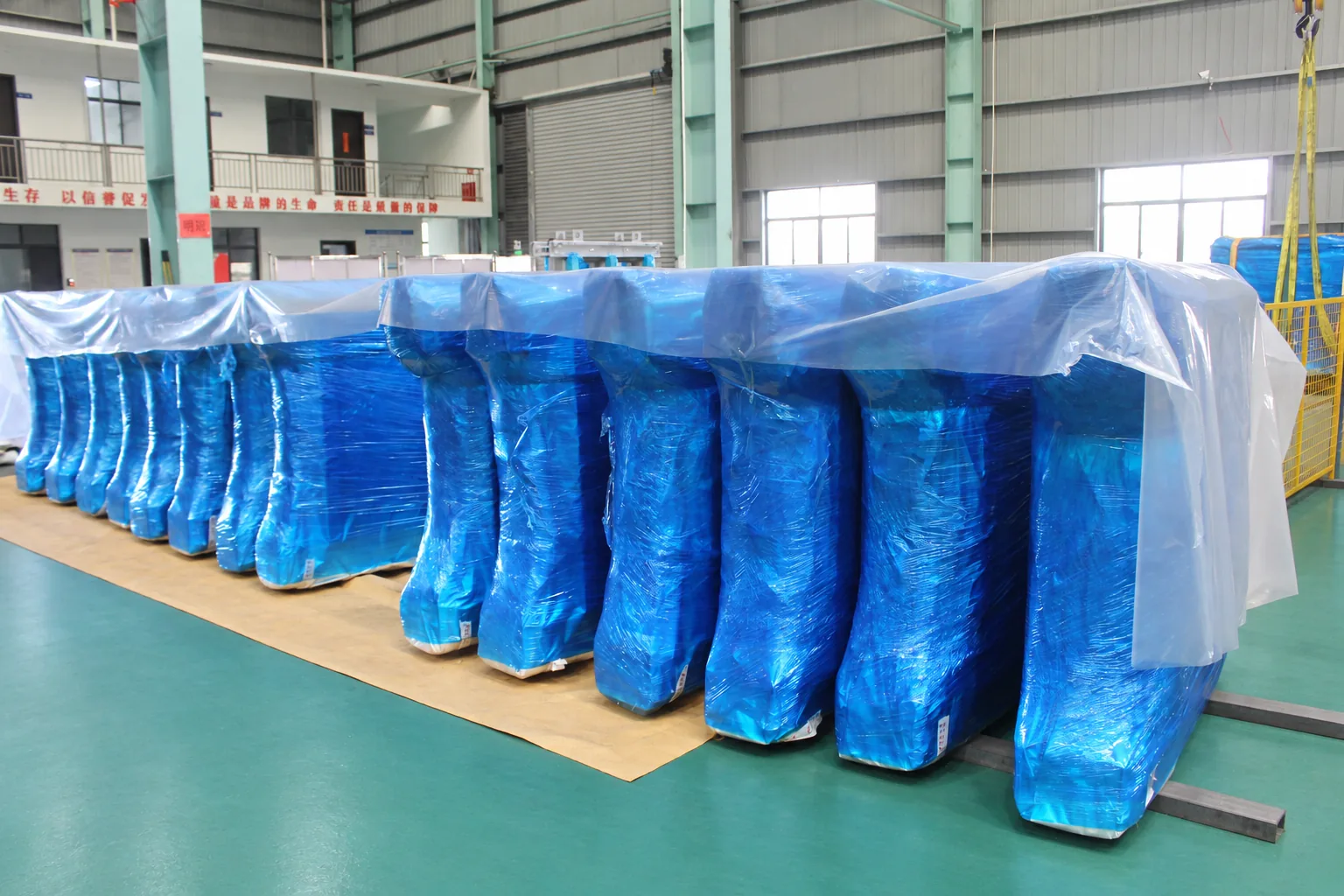
When the container arrives
- Let the cargo reach the temperature of your warehouse before opening the wrapping, typically a day or more after a cold journey, to avoid condensation on the steel.
- Lift coils with slings or a C-hook, not wire rope, to avoid damaging the edges.
- Keep coils covered on open trucks; rain on the packing is the most common cause of rust.
- Use the material in order of arrival; long storage, even when packed, increases the risk of surface rust.