


Slitting electrical steel: width, burr and edge quality
Most electrical steel is slit before it is cut or stamped. Width accuracy and burr height decide how well the strip feeds, how tightly the core stacks and how much loss the edges add.
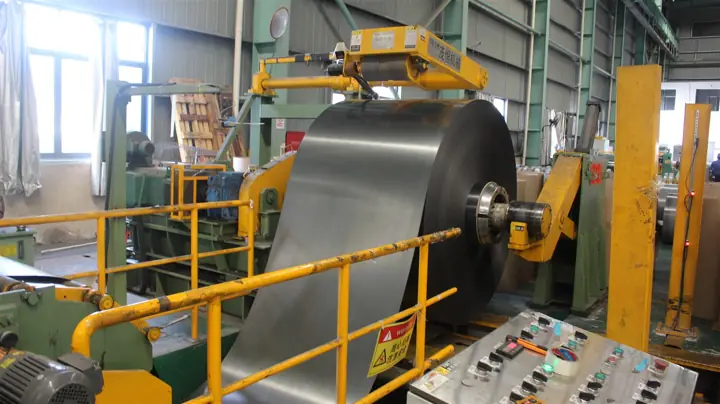
Mill coils of grain-oriented and non-oriented steel are usually wider than the parts made from them, so the first processing step is slitting: the coil is uncoiled, cut by rotary knives into narrower strips and recoiled under tension. The quality of this step carries through to every later operation.
Why burr matters
A burr is the small raised edge left by the cut. In a stacked core, burrs can bridge the insulation between neighbouring sheets, creating paths for eddy currents that raise core loss, and they lower the lamination factor because the sheets cannot lie fully flat. Sharp, correctly set knives and a clearance suited to the material thickness keep the burr low.
What to specify
- Grade and thickness, for example Baosteel B30P105 or B50A470
- Slit widths and the width tolerance you need
- Maximum burr height, if your process has a limit
- Coil inner diameter, maximum outer diameter or coil weight, and packing
Our slitting line
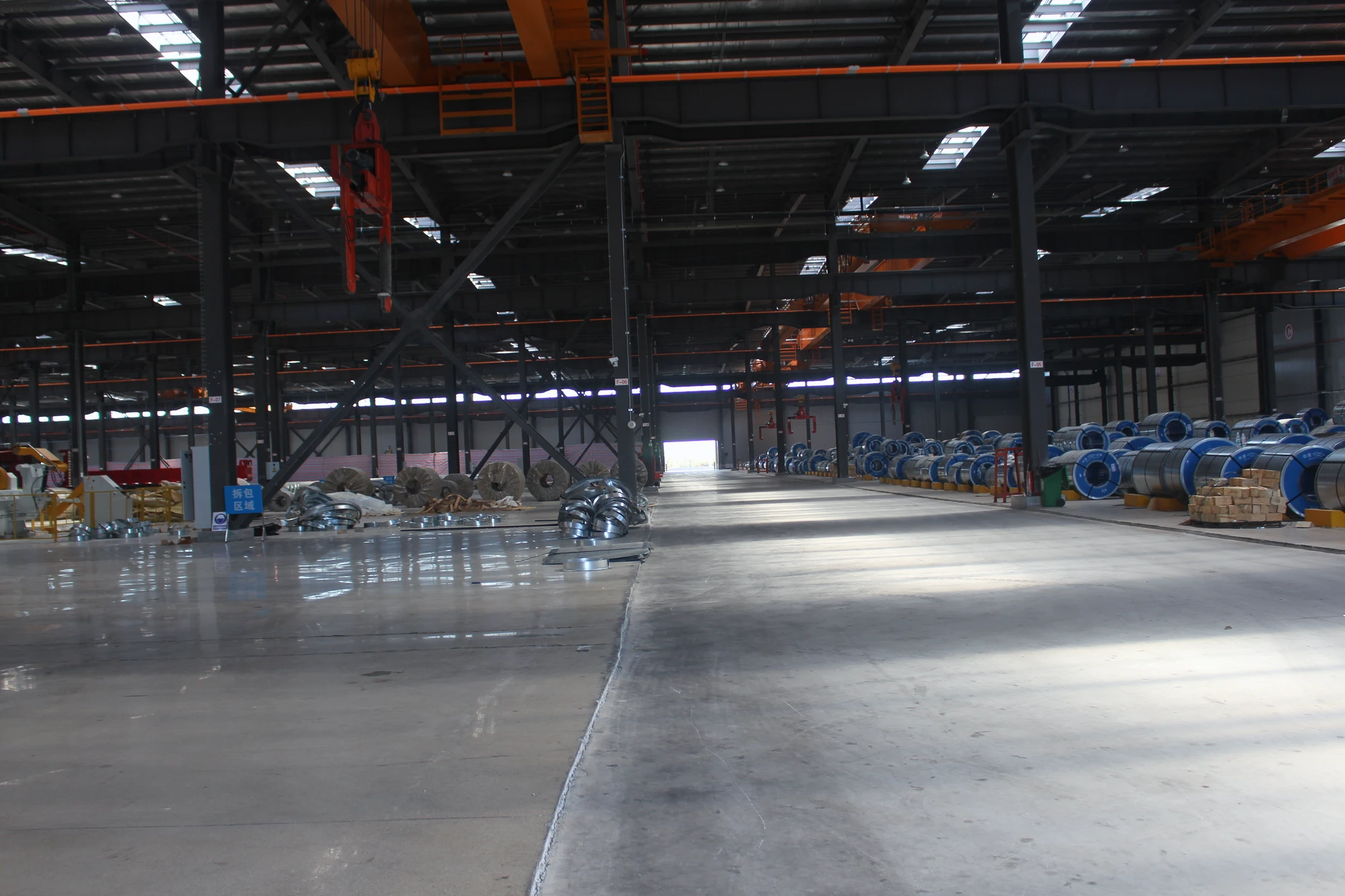
At our plant, grain-oriented and non-oriented coils from 0.18 to 0.50 mm thick and up to 1250 mm wide are slit and recoiled under tension, with width and edge burr checked in line. Slit coils go on to our cut-to-length, step-lap and stamping lines or are supplied directly to customers, wrapped against moisture on pallets.

