



From trial order to supply contract: how a new electrical steel supply is set up
A new supplier relationship works best in stages: samples, a trial lot, then scheduled supply. Here is what happens at each stage and what both sides should agree.
Changing the supplier of a core material is a real risk for a transformer or motor maker. A staged approach lets you prove the material and our processing on your own line before volumes grow.
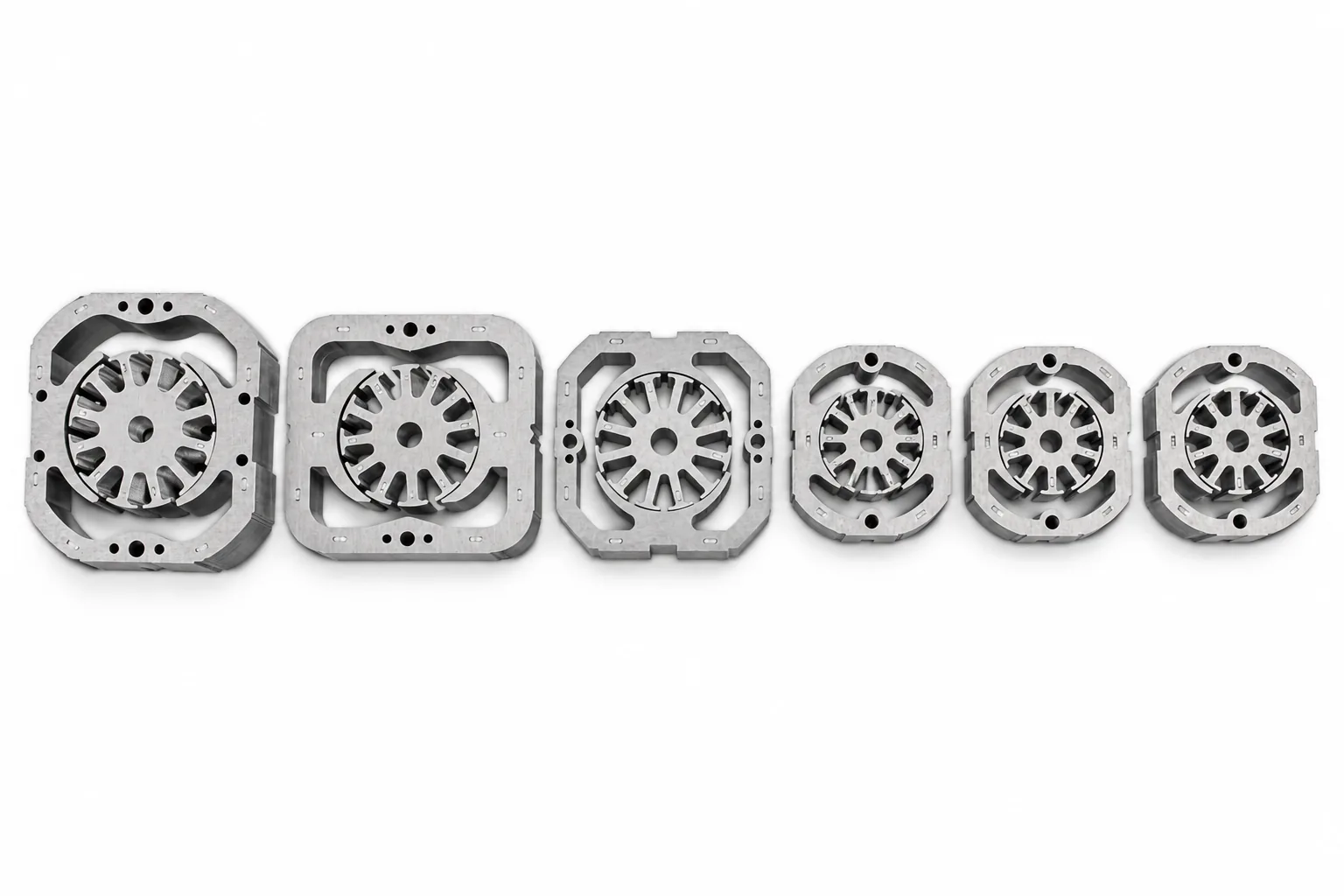
Before samples: the technical exchange
The process starts with your drawing or specification. We confirm the grade, thickness and coating against your design data, point out where an equivalent Baosteel grade differs from a grade you currently use, and agree which properties will be checked at each stage. Settling this first avoids samples that pass in the lab but cannot be accepted by your quality department.
Stage 1: samples
We supply sample strips, slit coils or laminations in the specified grade with the mill certificate. You test them for magnetic performance, dimensions and fit on your equipment.

Stage 2: trial lot
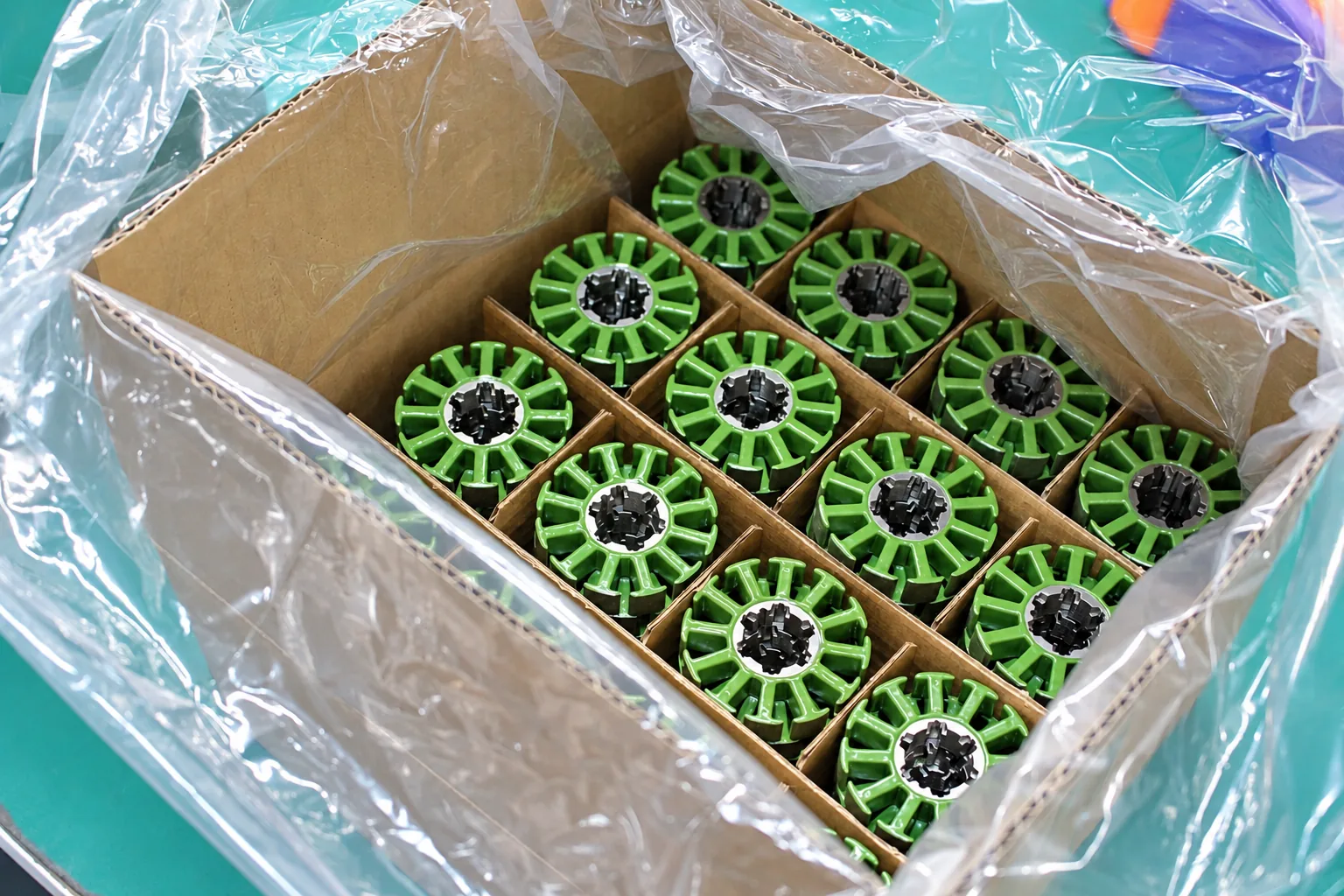
A trial lot is a small production quantity made exactly as the regular orders will be: same grade, same processing, same packing and labels. It confirms that the full chain, including transport to your plant, works. For transformer cores and motor laminations, a no-load test can be agreed for the trial lot.
Treat the trial lot as a rehearsal of the whole process. Check how the coils or cartons arrive, whether labels can be read by your warehouse system, how long customs clearance takes and how the material runs on your line over a full shift. Problems found here are cheap to fix; the same problems found in the first regular order are not.
Stage 3: scheduled supply
- A rolling forecast lets us reserve Baosteel material and slitting capacity in advance.
- A price basis agreed in writing: fixed per order or linked to the mill price list.
- A fixed document set for every shipment: mill certificate, inspection report and packing list.
- A named contact on each side for quality questions, so that a deviation is answered by someone who knows the history.
Scheduled supply works best when both sides review it regularly. A short quarterly call on forecast accuracy, delivery performance and any quality notes keeps small issues from growing, and gives you early notice of mill price changes or allocation limits.
What to agree in writing
The specification and its revision, the acceptance tests and who performs them, the packing and label format, the Incoterm and destination, and how a non-conforming delivery is handled. A one-page quality agreement covering these points is usually enough for laminations and slit coils.
You are welcome to visit the plant or arrange a live video visit at any stage to see your material being processed.

