


Transformer core stacking: from laminations to a finished three-phase core
How cut laminations become a stacked three- or five-limb core, what we check during stacking, and how finished cores are protected for transport.
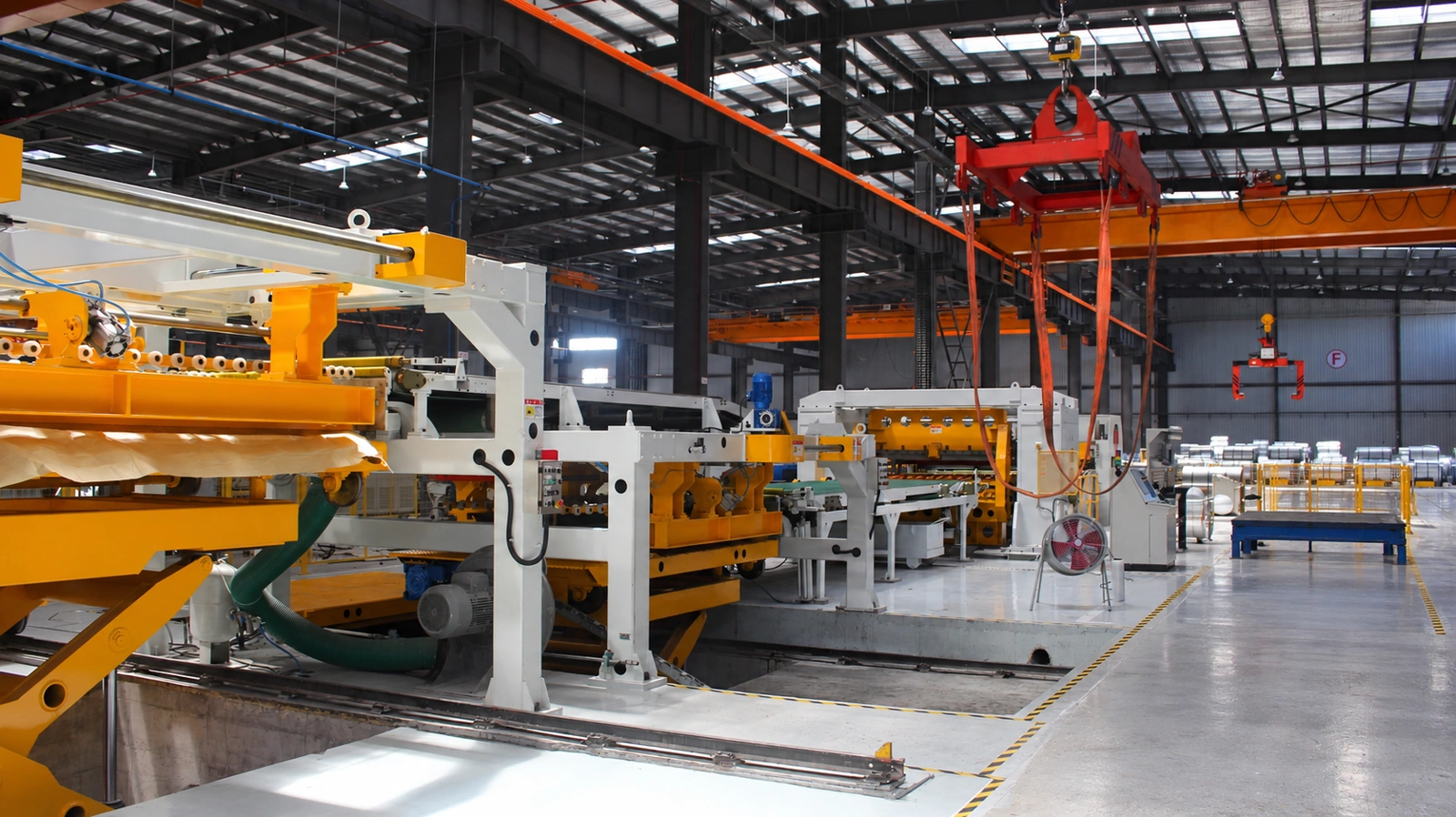
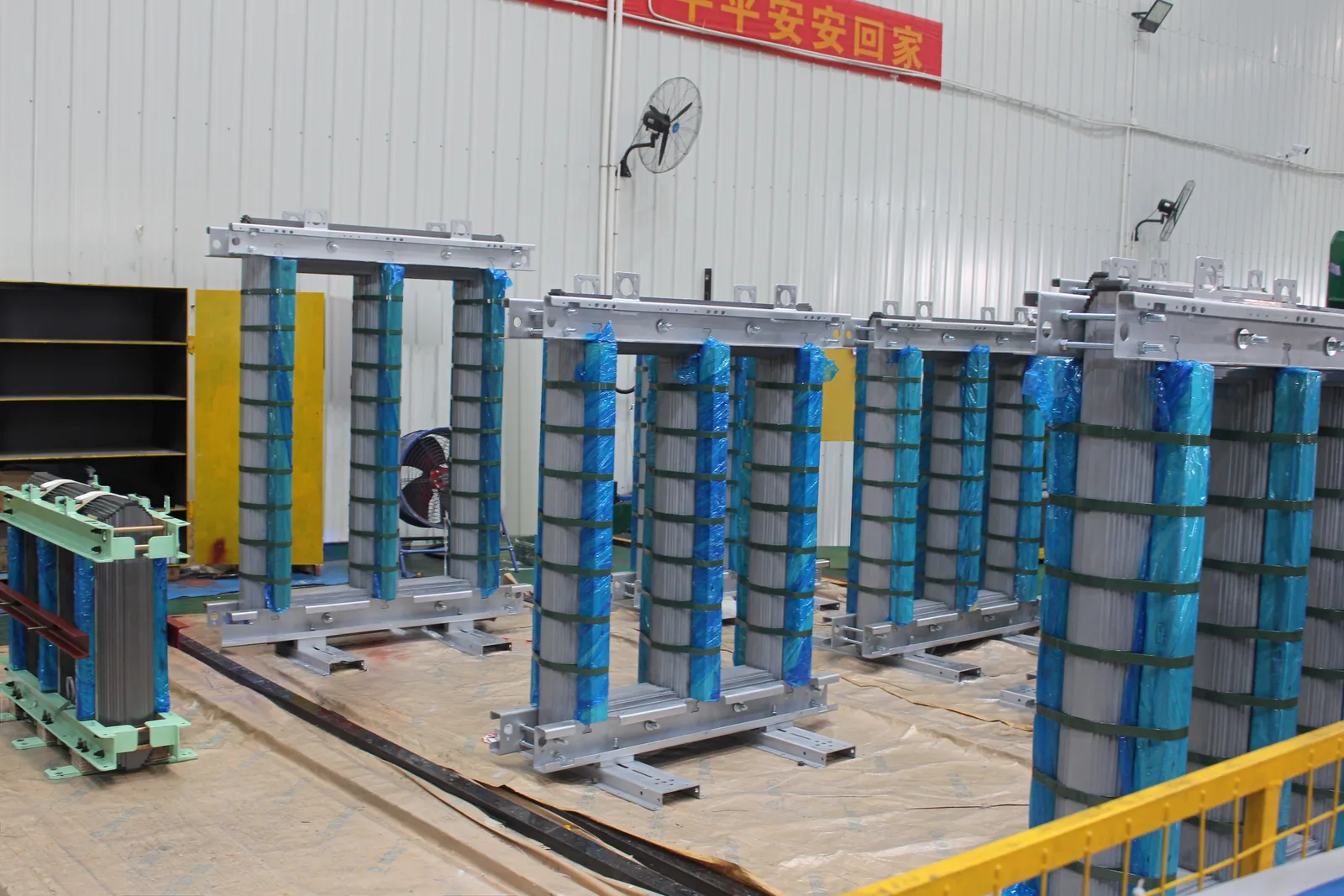
Cutting laminations accurately is only half of the job. The way they are stacked—layer pattern, joint alignment, clamping pressure—has a direct effect on no-load loss and noise. Our processing base stacks three-phase cores with three or five limbs, either as bare cores or with a clamping frame, from grain-oriented strip that we slit and cut ourselves.
1. Preparing the laminations
Laminations are cut with 45° mitred or step-lap joints on our cutting line, sorted by width step and counted into packs for each layer. Burr height and length are checked before stacking, because burrs increase interlaminar contact and local losses.
2. Building the core
- The yoke and limb laminations are laid in the specified sequence, keeping the joint offsets of the step-lap pattern.
- Each width step is checked against the drawing so that the cross-section approximates the round coil former.
- Stack height is measured regularly; laminations are counted rather than estimated.
- Joint gaps are kept small and even, because uneven gaps raise no-load current and noise.
3. Clamping and final checks
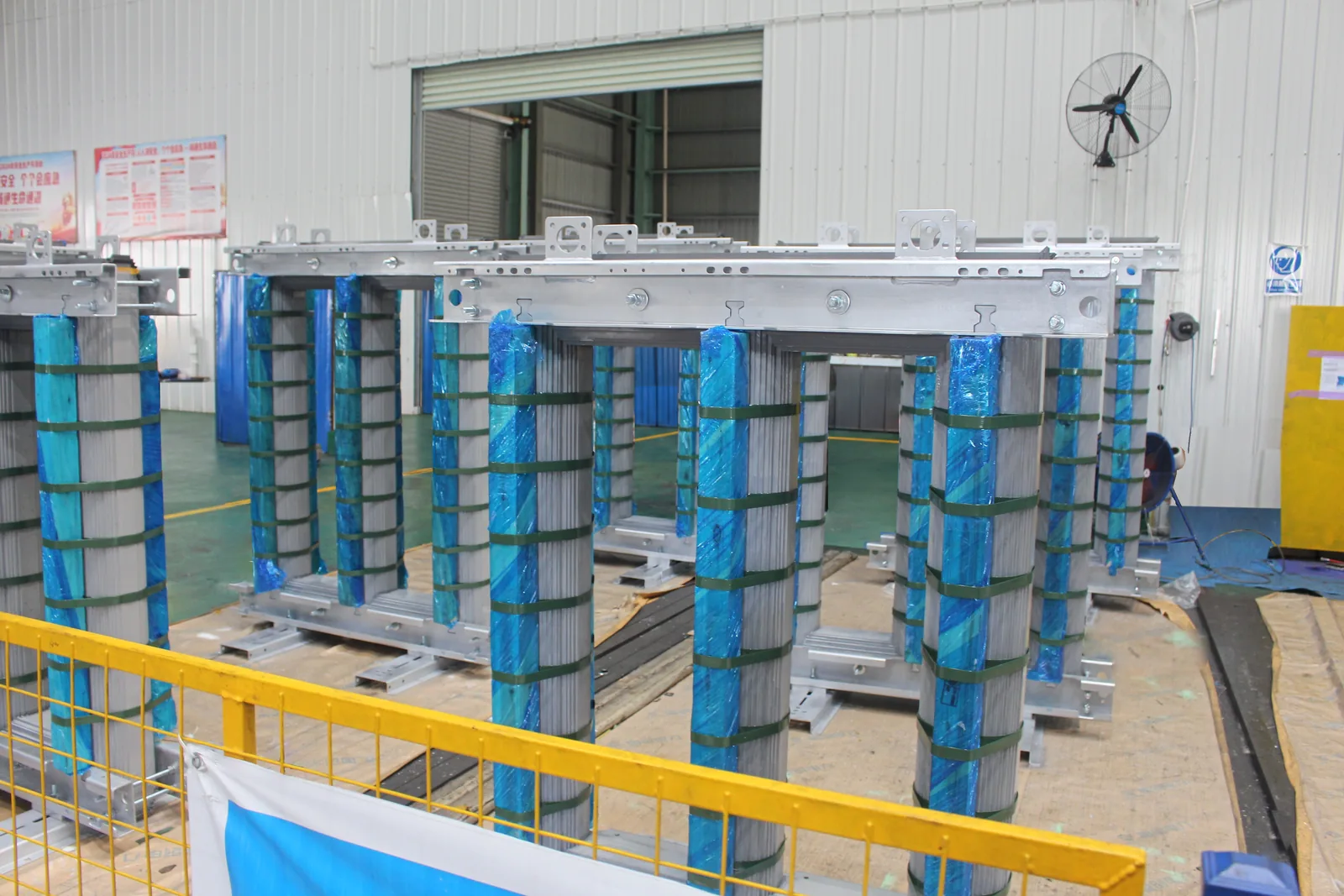
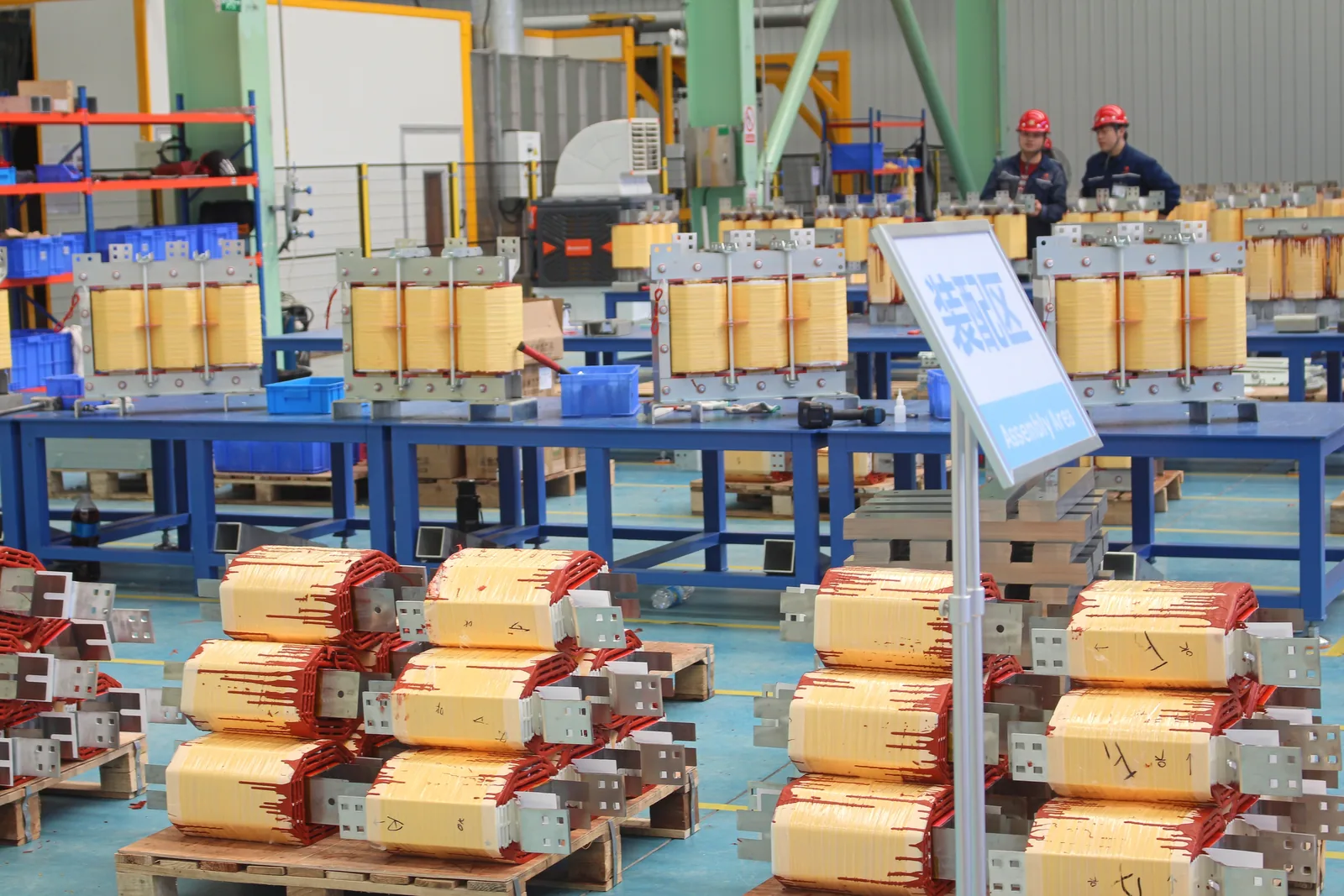
Cores supplied with a clamping frame are tightened to the specified torque so the laminations are held firmly without being deformed. We then check overall dimensions, window size, limb verticality and, where agreed with the customer, carry out a no-load test on the finished core.
4. Protection for transport
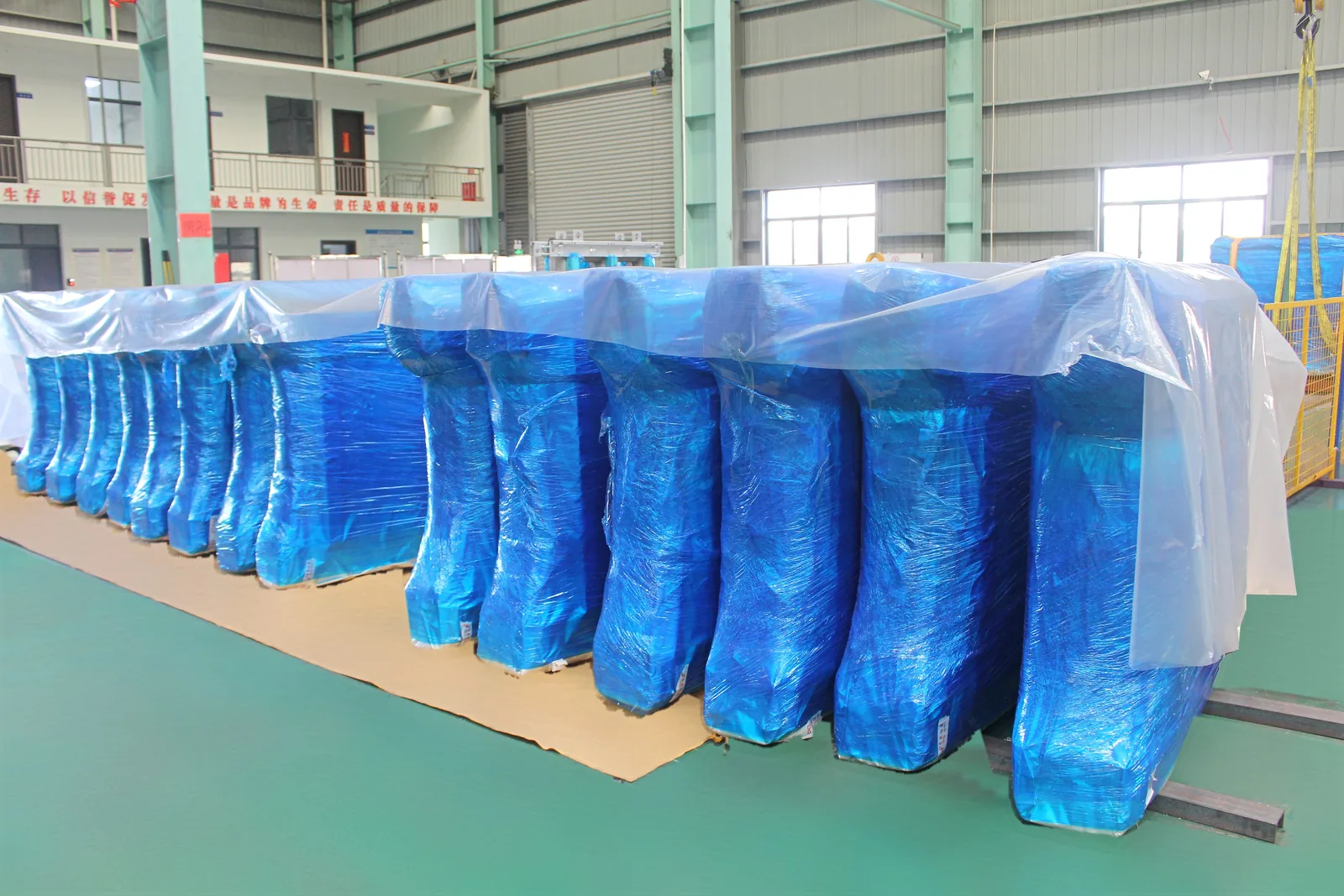
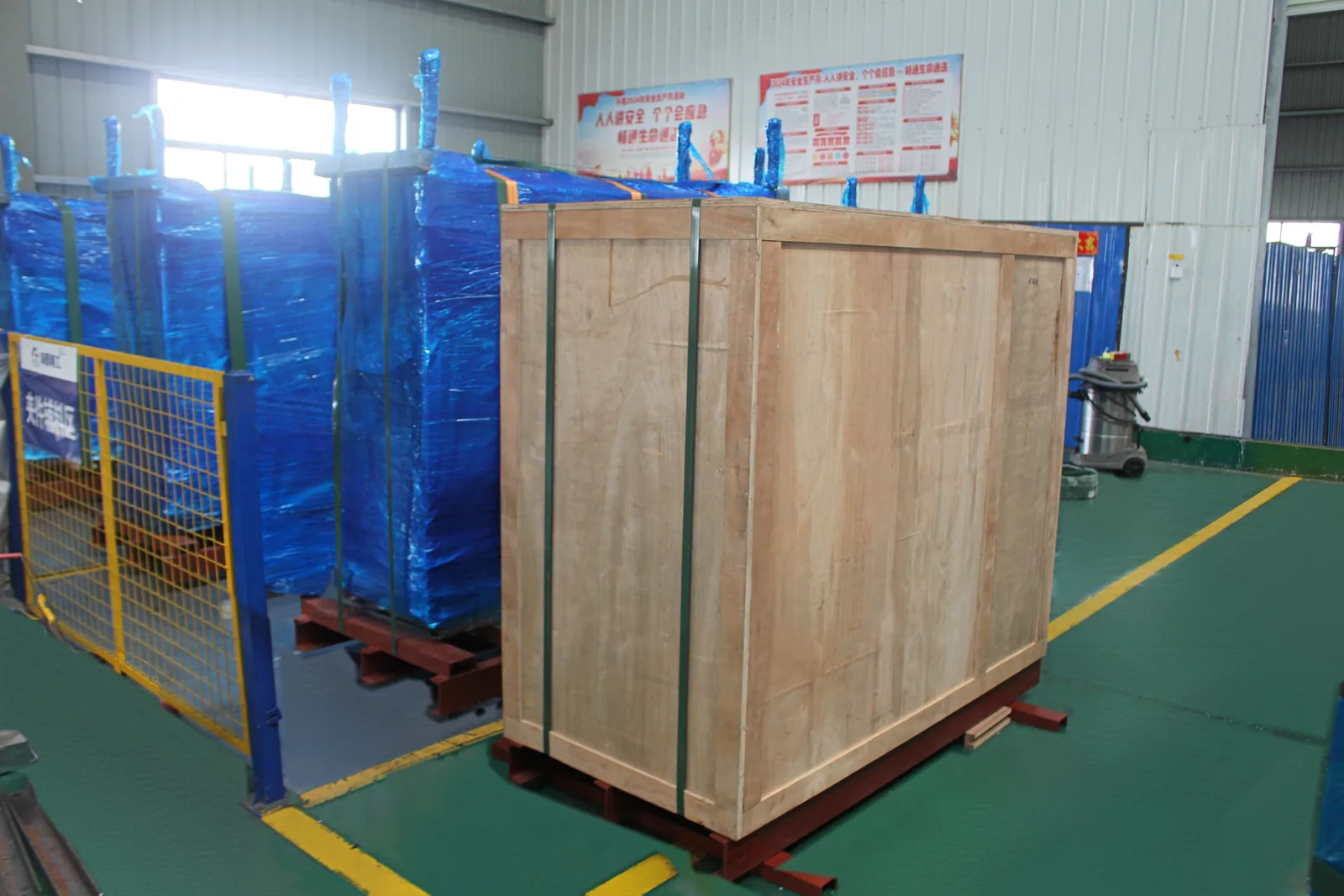
Finished cores are wrapped against moisture and dust, fixed to steel or timber bases and, for export, packed in wooden crates with lifting points marked. The packing method is agreed in the quotation according to the transport route and the customer’s handling equipment.
To quote a stacked core, we need the core drawing or main dimensions, steel grade and thickness, joint type, number of limbs, whether a clamping frame is required, the quantity and the destination.

