


How to read an electrical steel mill test certificate
The mill test certificate is the document that links each coil to its measured properties. This guide explains the fields that matter and what to check before the coil goes into production.
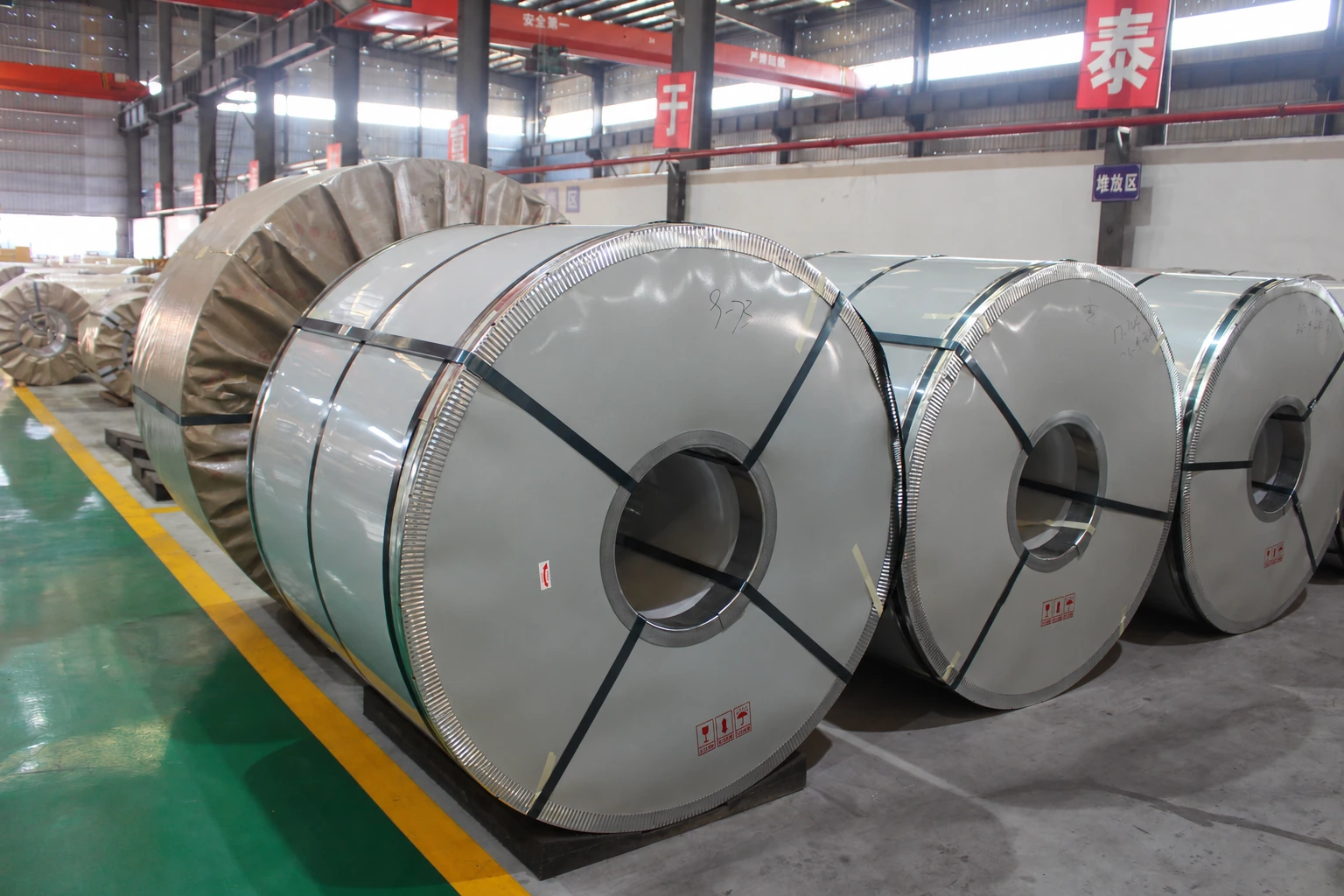
Every coil of electrical steel we supply is delivered with the mill test certificate issued by Baosteel and, after processing, with our own inspection report. Buyers often file the certificate without reading it. A few minutes spent on the key fields can prevent a wrong grade or an out-of-tolerance coil from reaching the press or the core-stacking line.
Header: who, what and to which standard
The top of the certificate names the issuing mill, the certificate number, the dates of manufacture and issue, the product name and the standard. For Baosteel grain-oriented strip the standard is usually the company standard Q/BQB 485 (fully processed grain-oriented strip, 2023 edition) or the national standard GB/T 2521.2-2016; non-oriented strip is certified to GB/T 2521.1-2016 or the corresponding Baosteel standard. If your drawing calls for IEC 60404-8-7 or another foreign standard, agree the equivalent grade before ordering rather than after delivery.
Identification fields
- Coil number and heat number: the traceability key for every later record.
- Grade designation, for example B30P105 or B35A250, and the standard it is certified to.
- Nominal thickness, width and net coil weight.
- Coating type, contract number and destination, which must match your order.
Magnetic properties
For grain-oriented steel the certificate gives the core loss at 1.7 T and 50 Hz (P1.7/50, W/kg) and the magnetic polarisation at 800 A/m (J800 or B800, in tesla). For non-oriented steel the usual values are P1.5/50 and J5000 or B50. Check that the measured loss is below the maximum allowed for the grade, and that the test frequency matches your design: a 60 Hz market needs P1.7/60 or P1.5/60 values.
These values are measured on Epstein strips according to GB/T 3655, which follows IEC 60404-2. For grain-oriented steel the strips are cut along the rolling direction; for non-oriented steel half are cut along and half across it, so the result represents the sheet as a whole. A core built from the same steel will show a higher loss than the certificate, because cutting, stacking and joints add loss. That difference is the building factor, and it is why the certificate value and your finished-core test are compared, not equated.
Geometry and coating
- Thickness deviation and, where reported, crown across the width.
- Lamination (stacking) factor, which affects the iron cross-section of a core.
- Coating type and insulation resistance, important for welded or bonded stacks.
- For non-oriented steel: yield strength, tensile strength and elongation, used as reference values for stamping.

A five-minute check on arrival
- Coil number on the label, the certificate and the packing list are the same.
- Grade, thickness and width match the purchase order.
- Core loss is below the grade maximum at the frequency you design for.
- The package is intact; let a cold coil reach room temperature before unwrapping it, so that moisture does not condense on the steel.
What we add after processing
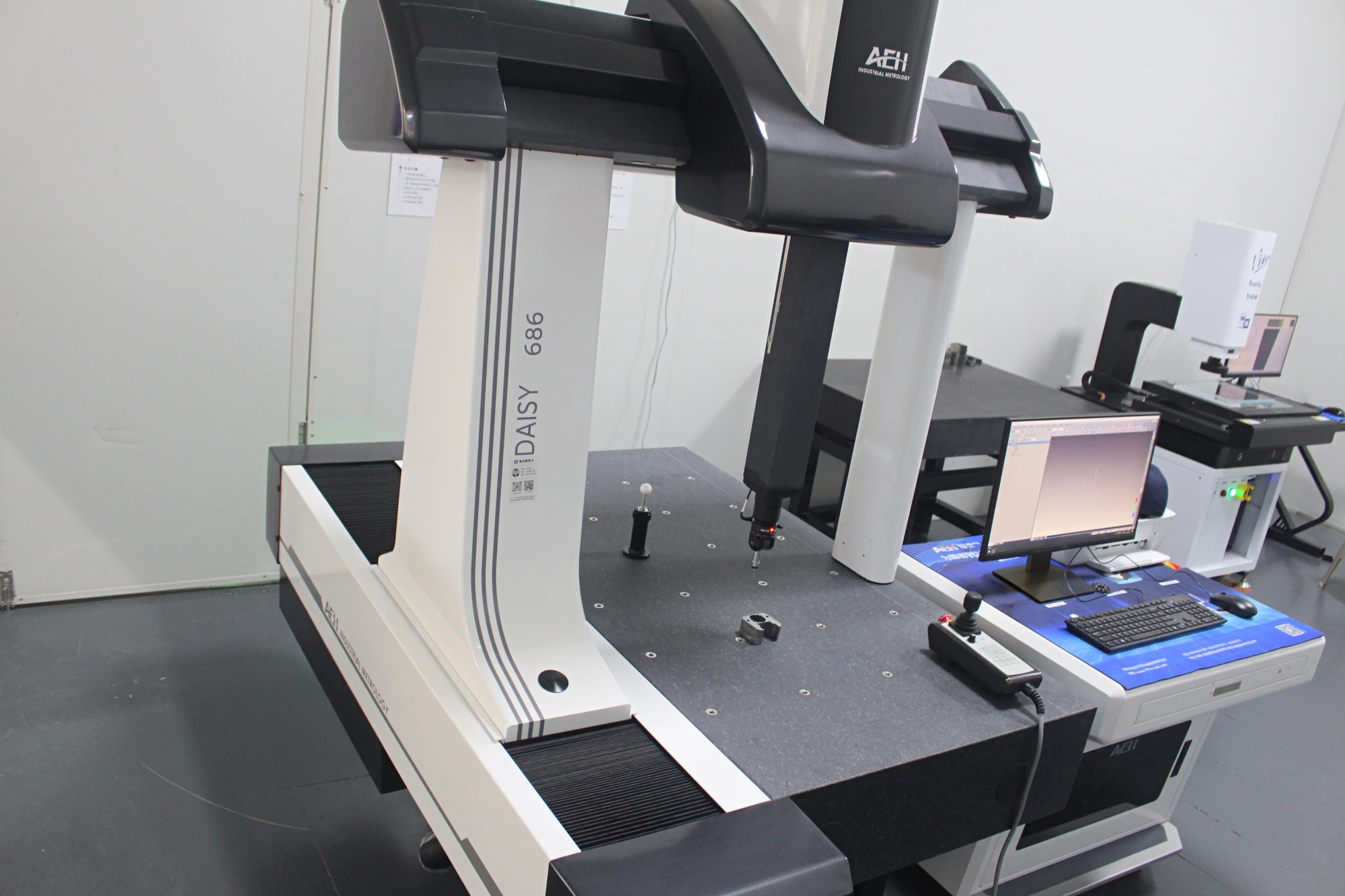
After slitting or stamping, our inspection report records the processed dimensions, burr height and the source coil number for each slit coil or lamination batch. Together with the mill certificate it gives a complete record from the mill coil to the part you receive.

