


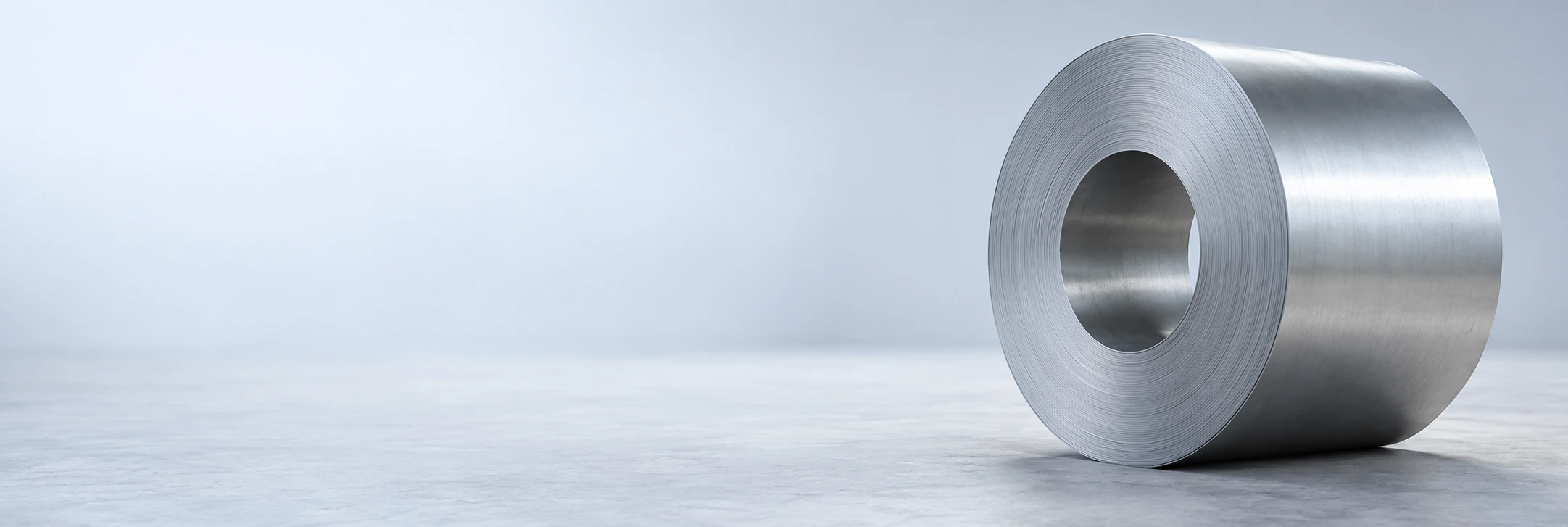
Motor laminations: stamping, interlocking and insulation coating
How slit non-oriented steel becomes stator and rotor cores: progressive-die stamping, in-die interlocking, insulation coating and the checks in between.
Motor and generator cores use non-oriented electrical steel because the field rotates and the material needs similar properties in every direction. Lower-loss, thinner grades reduce iron loss, which matters most at higher operating frequencies. Standard Baosteel grades such as B50A470 and B35A300 suit many industrial motors; thinner high-frequency grades are available on request.
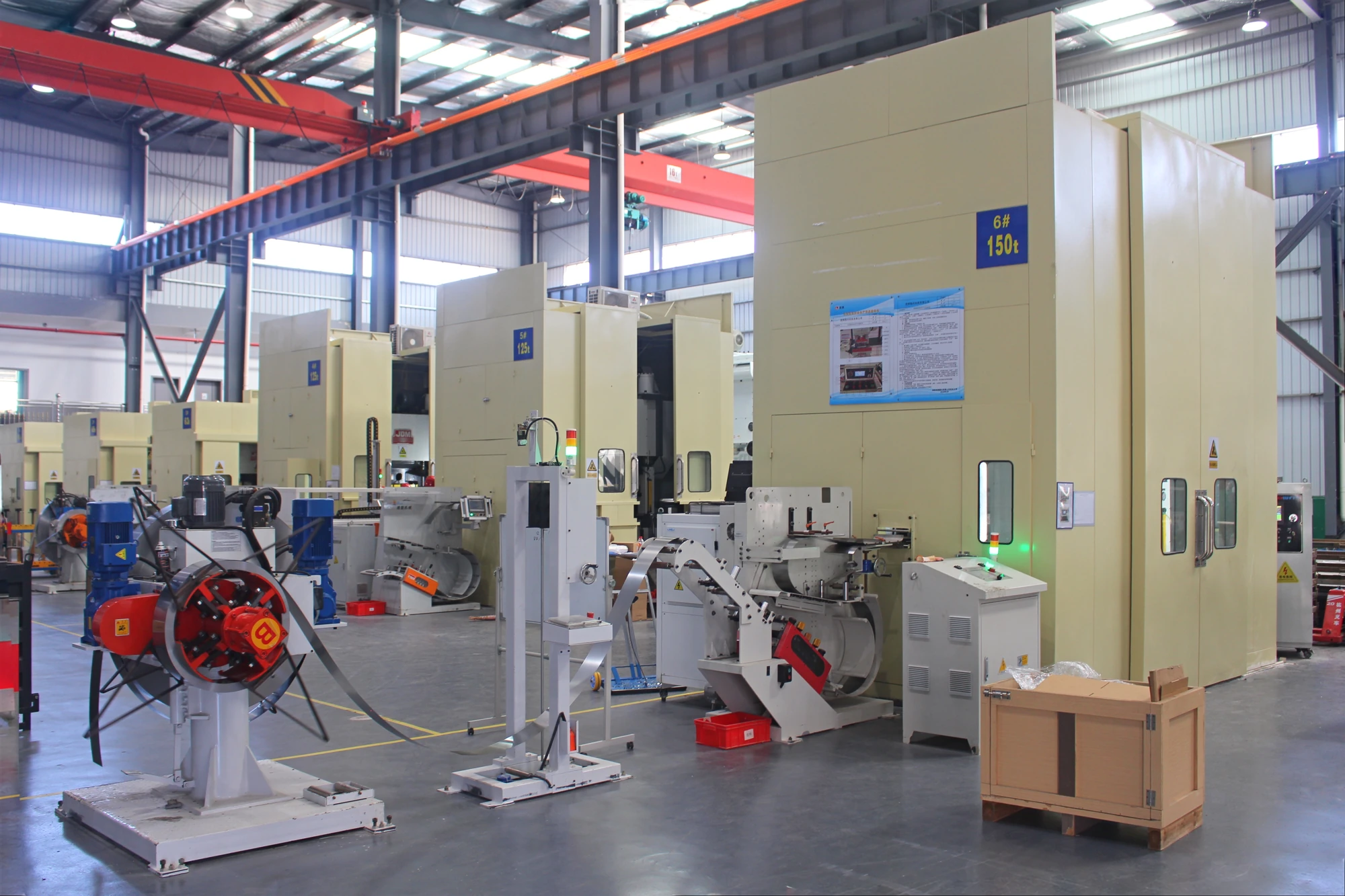
Progressive-die stamping
Slit coils are fed automatically into high-speed presses. A progressive die punches the slots, bore and outline in successive stations, so stator and rotor laminations can be produced continuously from the same strip.
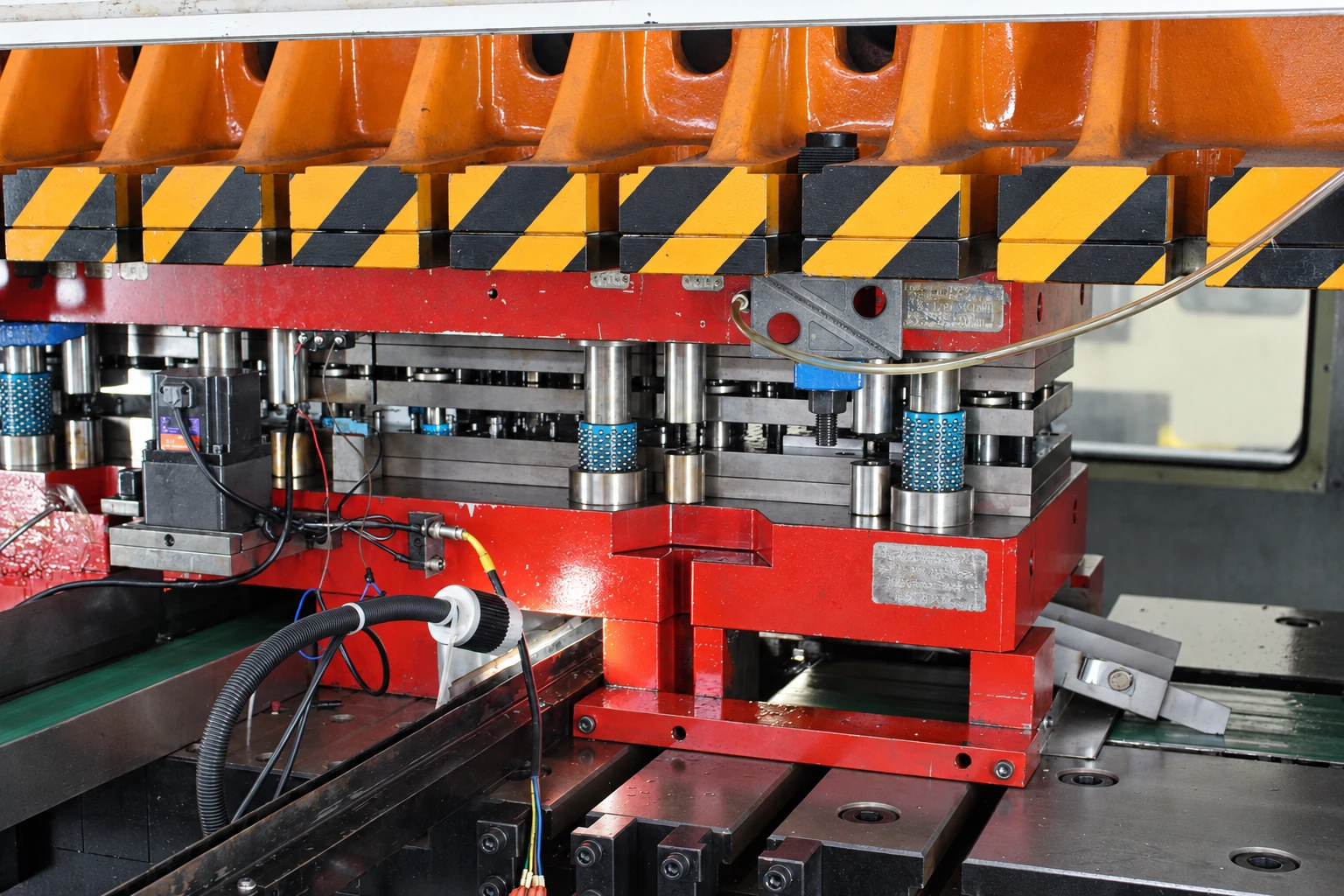
In-die interlocking
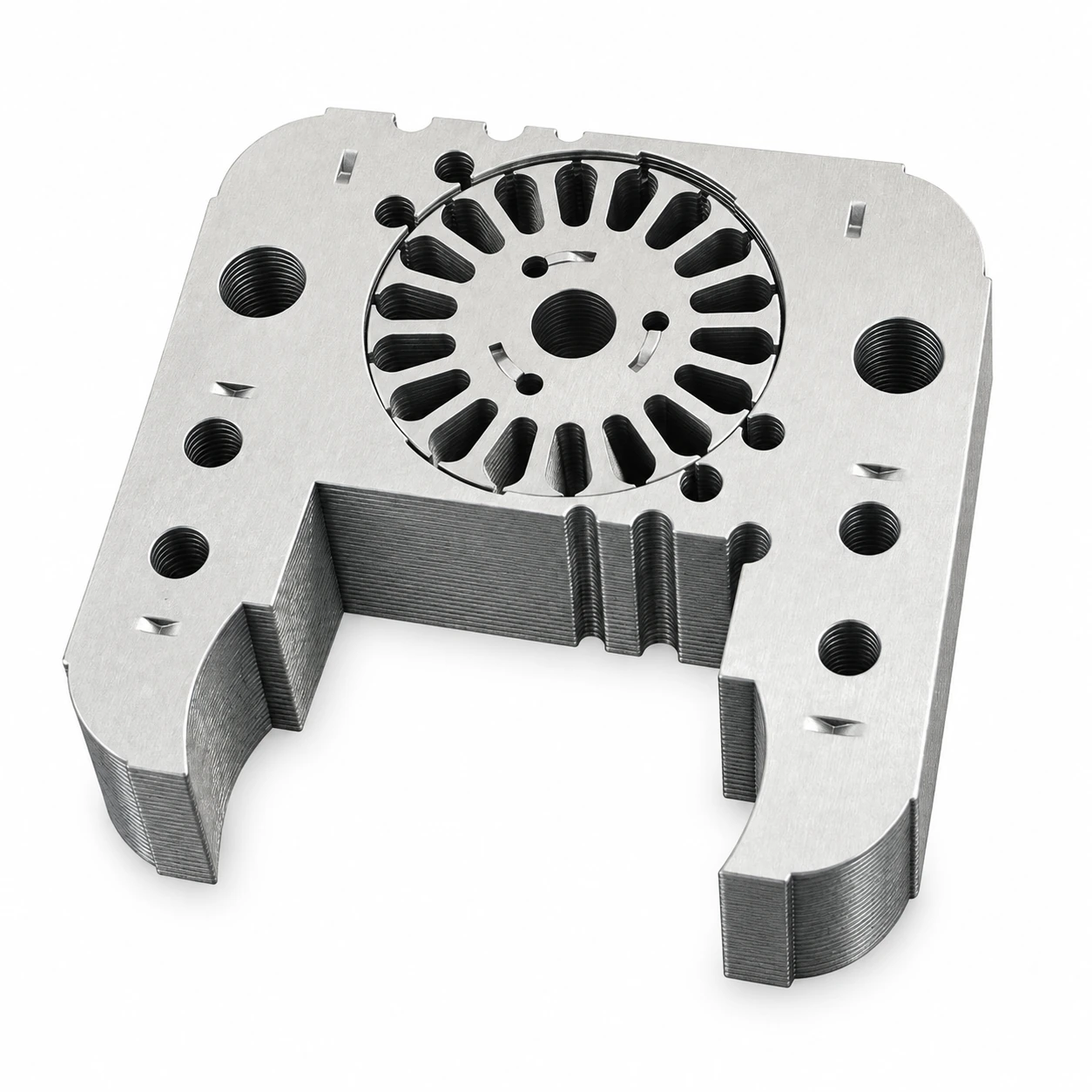
With in-die interlocking, small embossed points lock each lamination to the next, and the die delivers cores already stacked to the set height—no separate welding or riveting is needed. Stack height is controlled by counting laminations in the die, so cores come off the press ready for the next step.
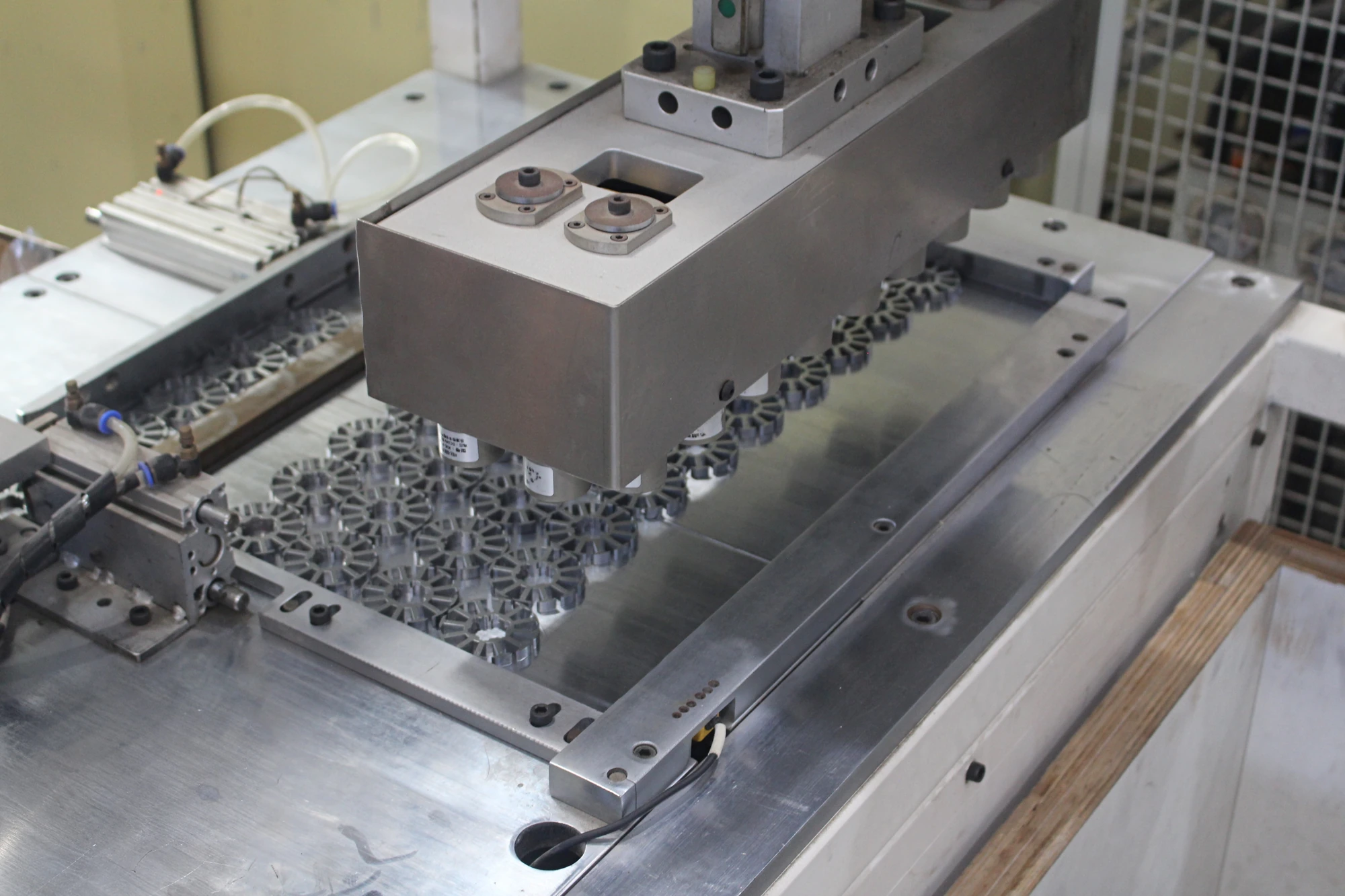
Automated handling and insulation coating
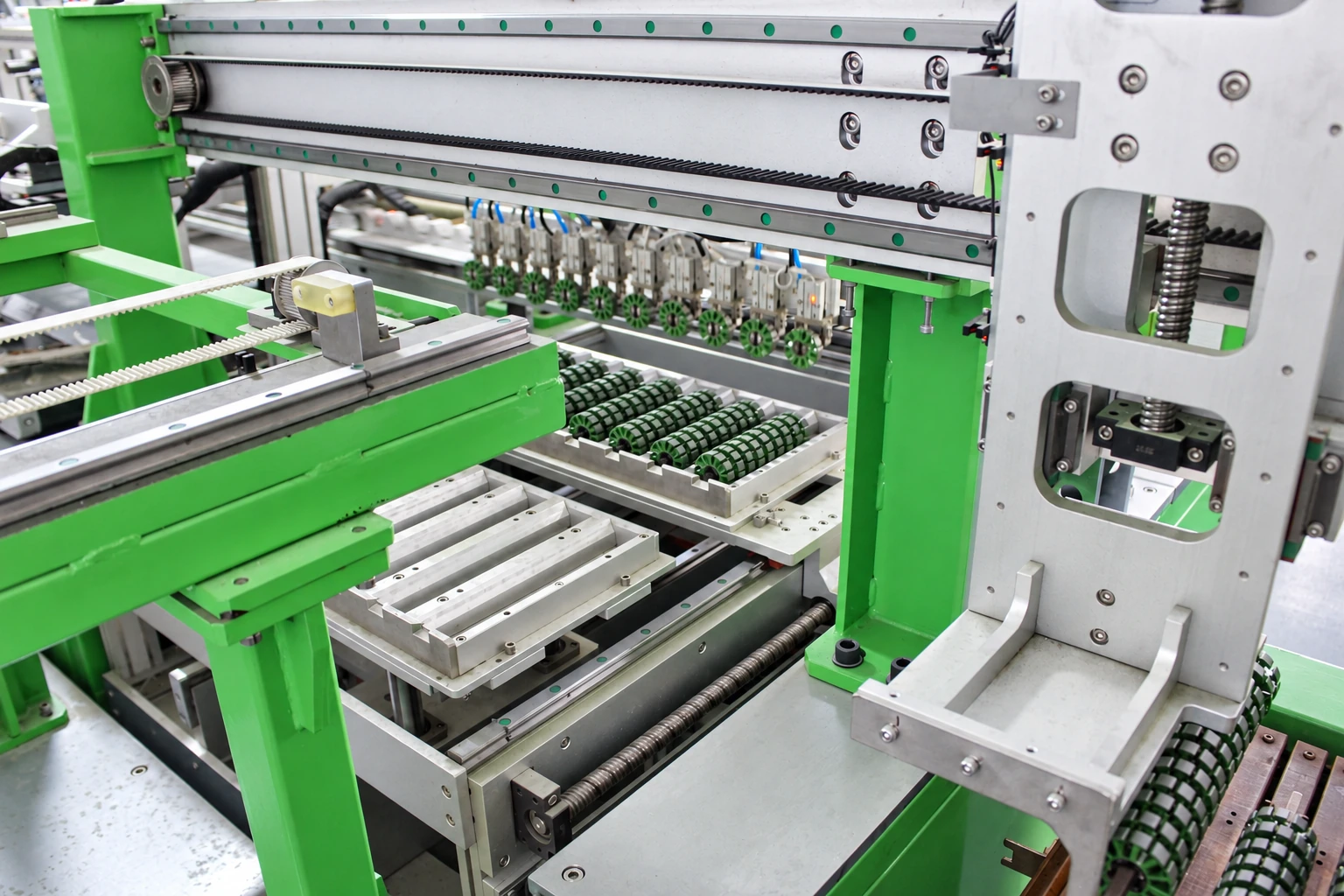
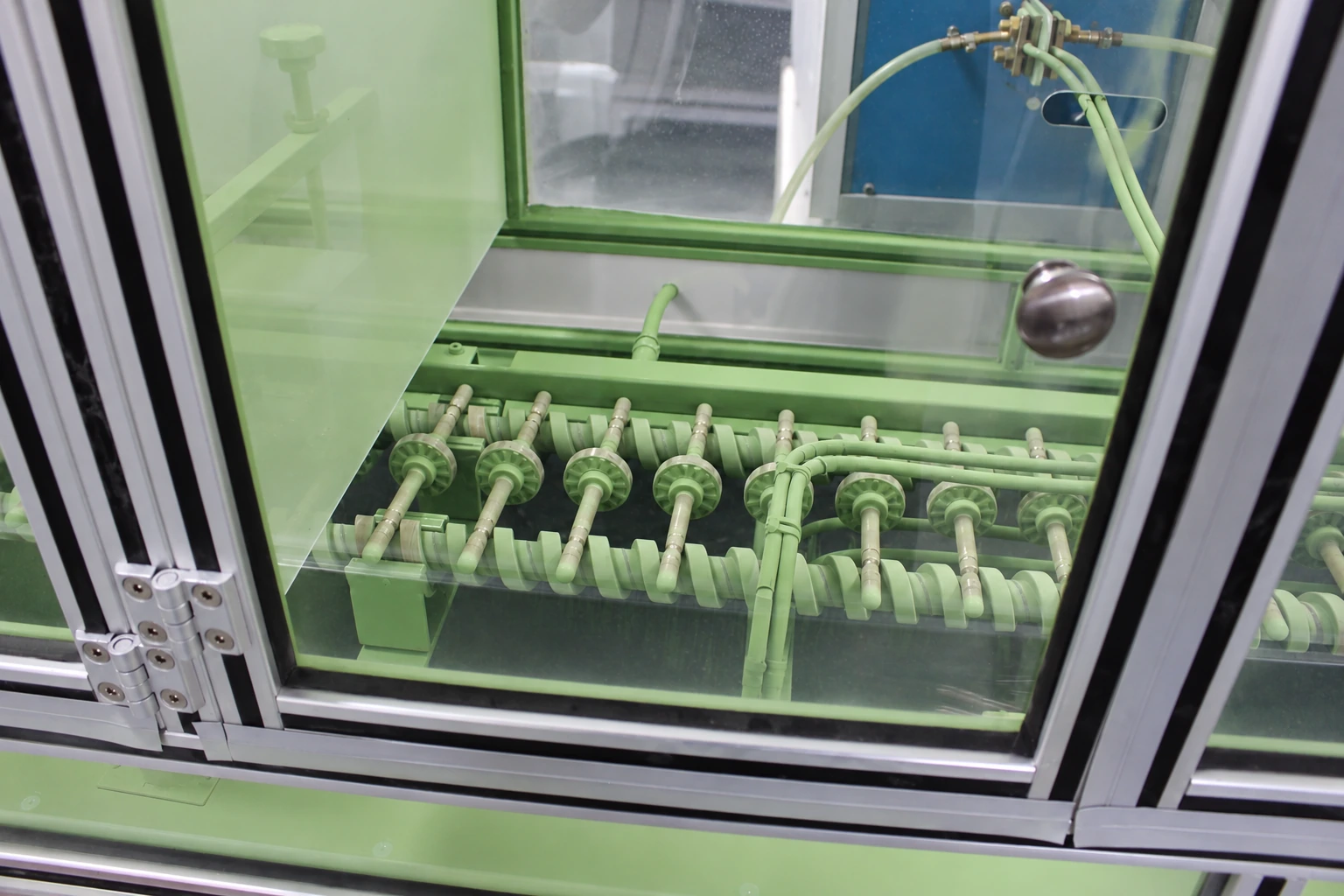
Stator cores can then go through our automated coating line, where the slots receive an insulating layer that is cured in place. Uniform slot insulation can replace slot paper at the customer. Automated transfer machines move the cores between stations, which reduces handling damage.
Inspection
Lamination profiles, slot shapes and burr are checked on a vision measuring machine, critical dimensions on a CMM, and stack height and parallelism with height gauges. Inspection records can be supplied with the delivery.
What to send for a quote
Send the lamination drawing (DXF or PDF), grade and thickness, stack height, whether you need loose laminations, interlocked cores or coated stators, the annual quantity and the destination. We will evaluate tooling, process route and price.

