


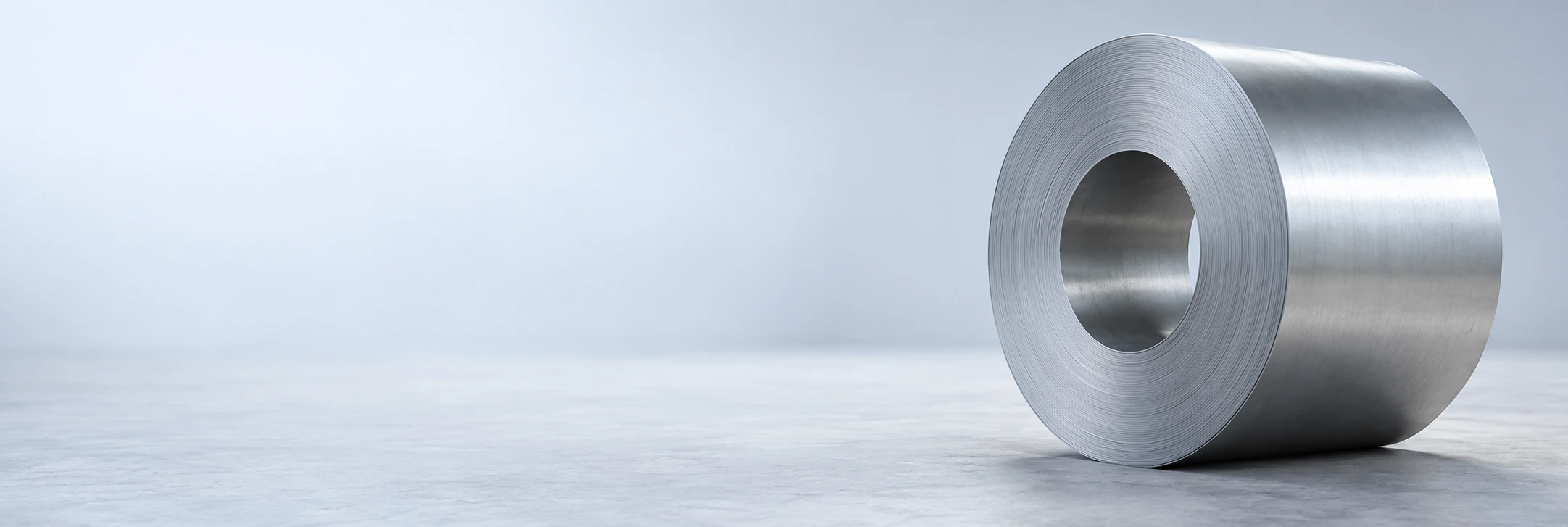
HS codes for electrical steel, laminations and cores
Using the right customs heading avoids delays and wrong duty rates. The Harmonized System splits electrical steel by grain orientation and width, and treats laminations and cores as parts.
Customs classification is the importer’s responsibility, but the commercial invoice we issue states a code for every line. The six-digit Harmonized System (HS) headings are the same in every country; national tariffs add further digits.
| Product | HS heading | Description in the HS |
|---|---|---|
| Grain-oriented coil or sheet, width 600 mm or more | 7225.11 | Flat-rolled silicon electrical steel, grain-oriented |
| Non-oriented coil or sheet, width 600 mm or more | 7225.19 | Flat-rolled silicon electrical steel, other |
| Grain-oriented slit coil, width under 600 mm | 7226.11 | Silicon electrical steel under 600 mm wide, grain-oriented |
| Non-oriented slit coil, width under 600 mm | 7226.19 | Silicon electrical steel under 600 mm wide, other |
| Transformer laminations and cores | 8504.90 | Parts of transformers |
| Motor laminations and stator or rotor cores | 8503.00 | Parts of electric motors and generators |
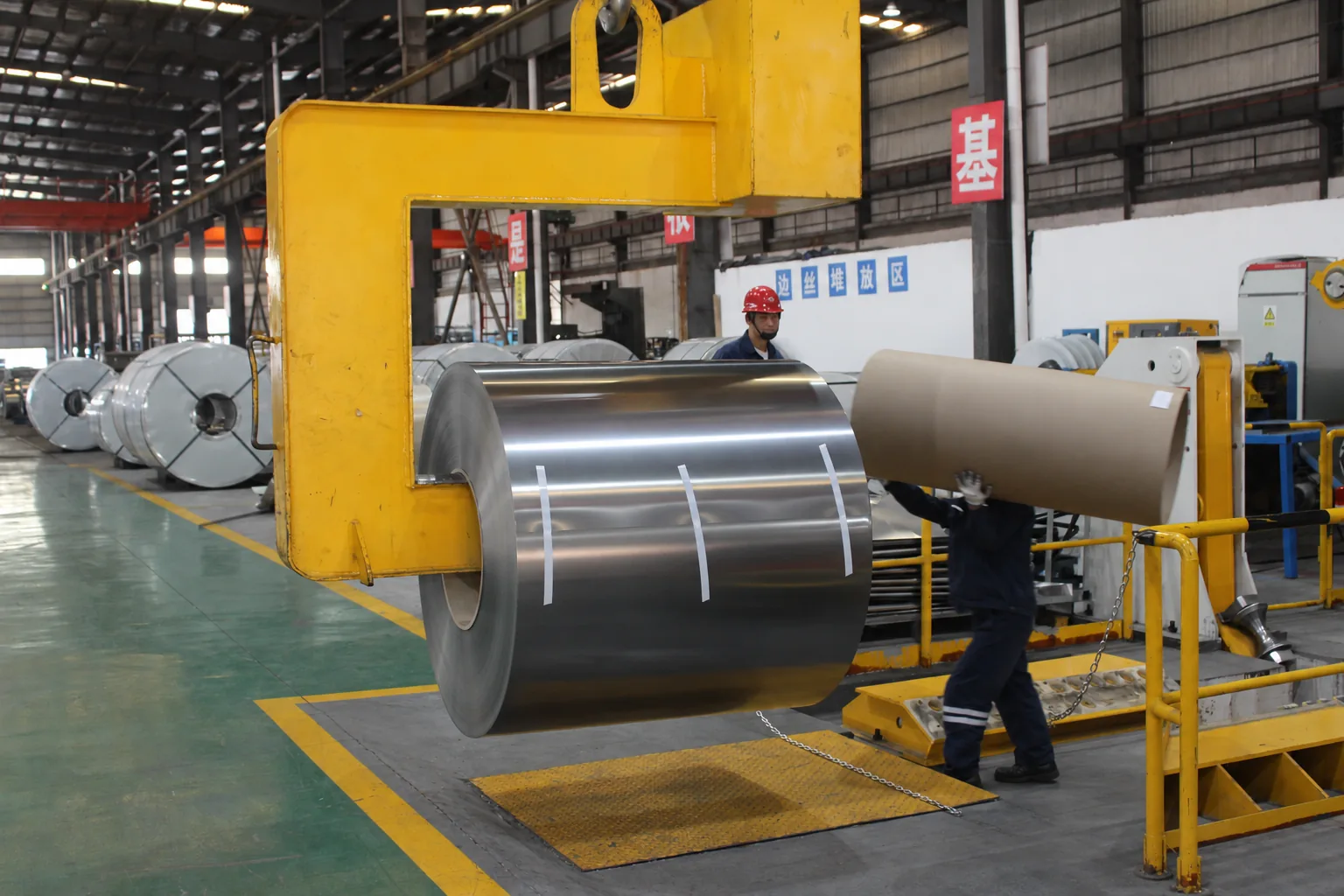
Note that slitting changes the heading: a master coil 1,000 mm wide falls under 7225, while the same steel slit to 200 mm falls under 7226. Duty rates and trade measures can differ between the two, so check both with your customs broker.
When steel becomes a part
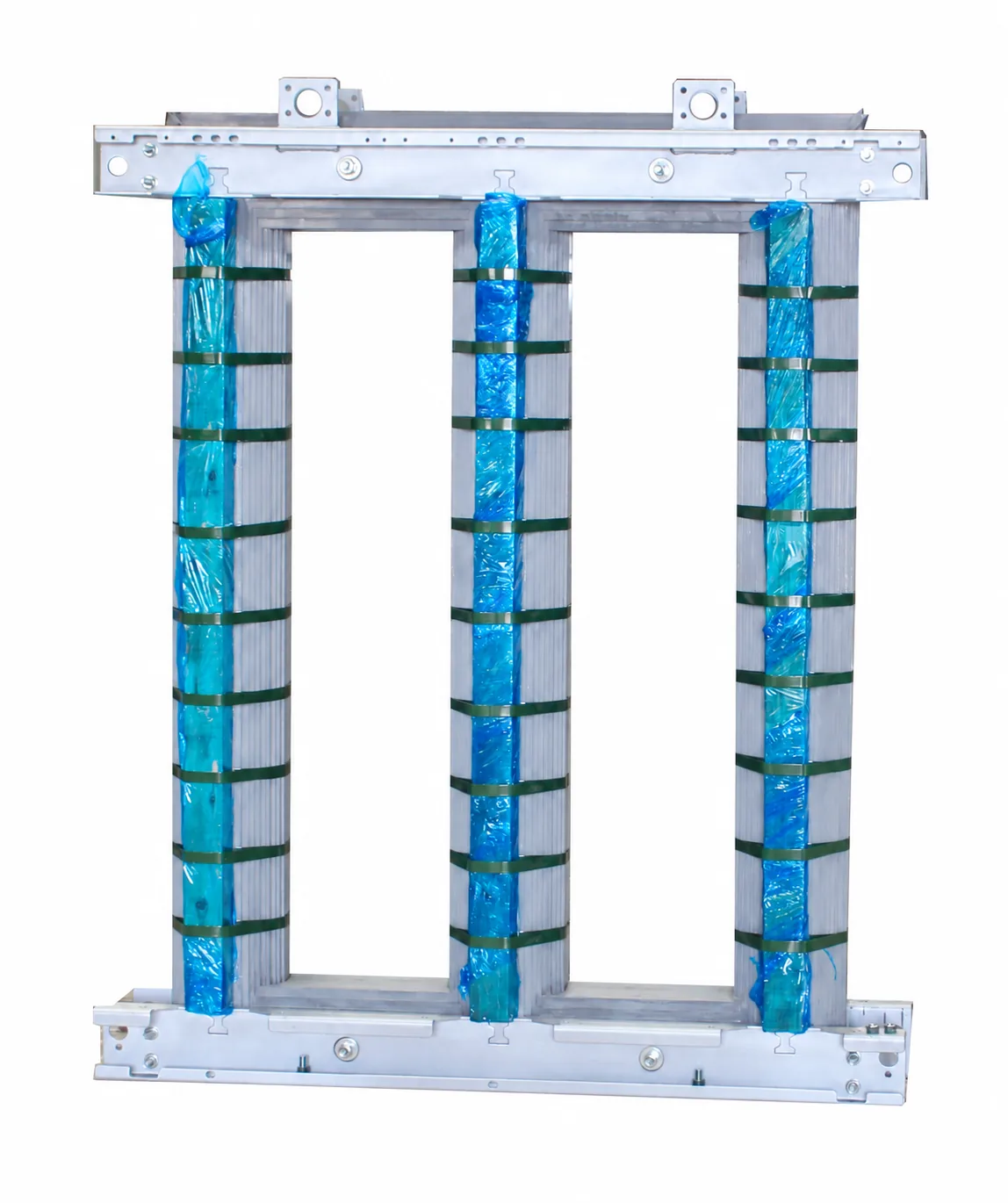
Cut-to-length sheets and slit strip remain steel products in chapter 72. Once the steel is stamped or cut into the shape of a lamination for a specific transformer or motor, it is normally classified as a part of that machine in chapter 85. Stacked and bonded cores are parts as well. The boundary matters because steel and parts can carry very different duty rates and trade measures in the same country.
Trade measures to check
Several markets have applied anti-dumping duties, safeguard quotas or other measures to flat-rolled electrical steel at various times, and these change. Before the first order to a new market, ask your broker whether any measure currently applies to the heading and to goods of Chinese origin. The certificate of origin and the mill certificate together show where the steel was made.
Documents for each shipment
- Commercial invoice with HS code, grade and net weight per line.
- Packing list with coil or package numbers and gross weights.
- Certificate of origin when your country requires it.
- Mill test certificates and our inspection report.
Some products sit close to a boundary, for example a slit coil just under 600 mm, or laminations that are cut but not yet shaped for a specific machine. In such cases a binding tariff ruling from your customs authority gives certainty for future shipments.
Tell us the code your broker uses before we invoice. Keeping the same code and product description on every shipment avoids questions at the border.

