


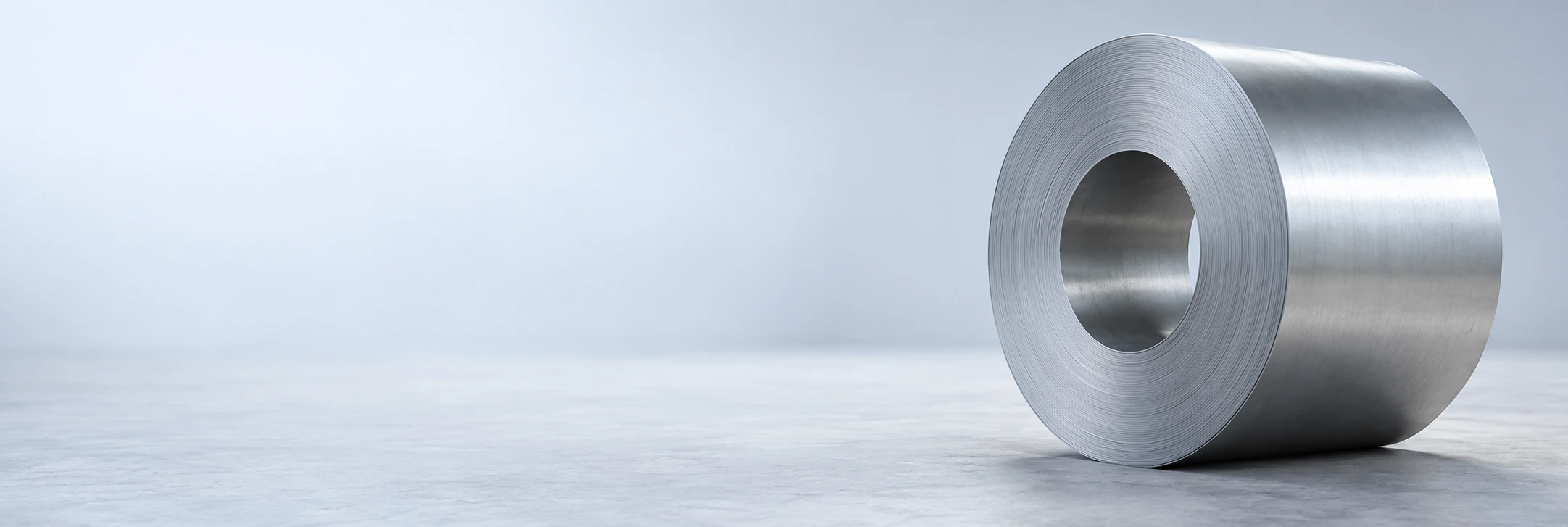
Electrical Steel vs. Carbon Steel: Why Carbon Steel Cannot Replace Electrical Steel in AC Cores
Carbon steel costs half as much, but cannot replace electrical steel in AC cores. This guide breaks down the 3–4× resistivity gap, hysteresis and eddy current losses, a 1-ton core operating cost comparison, and the clear selection boundary between AC, DC, and structural applications.
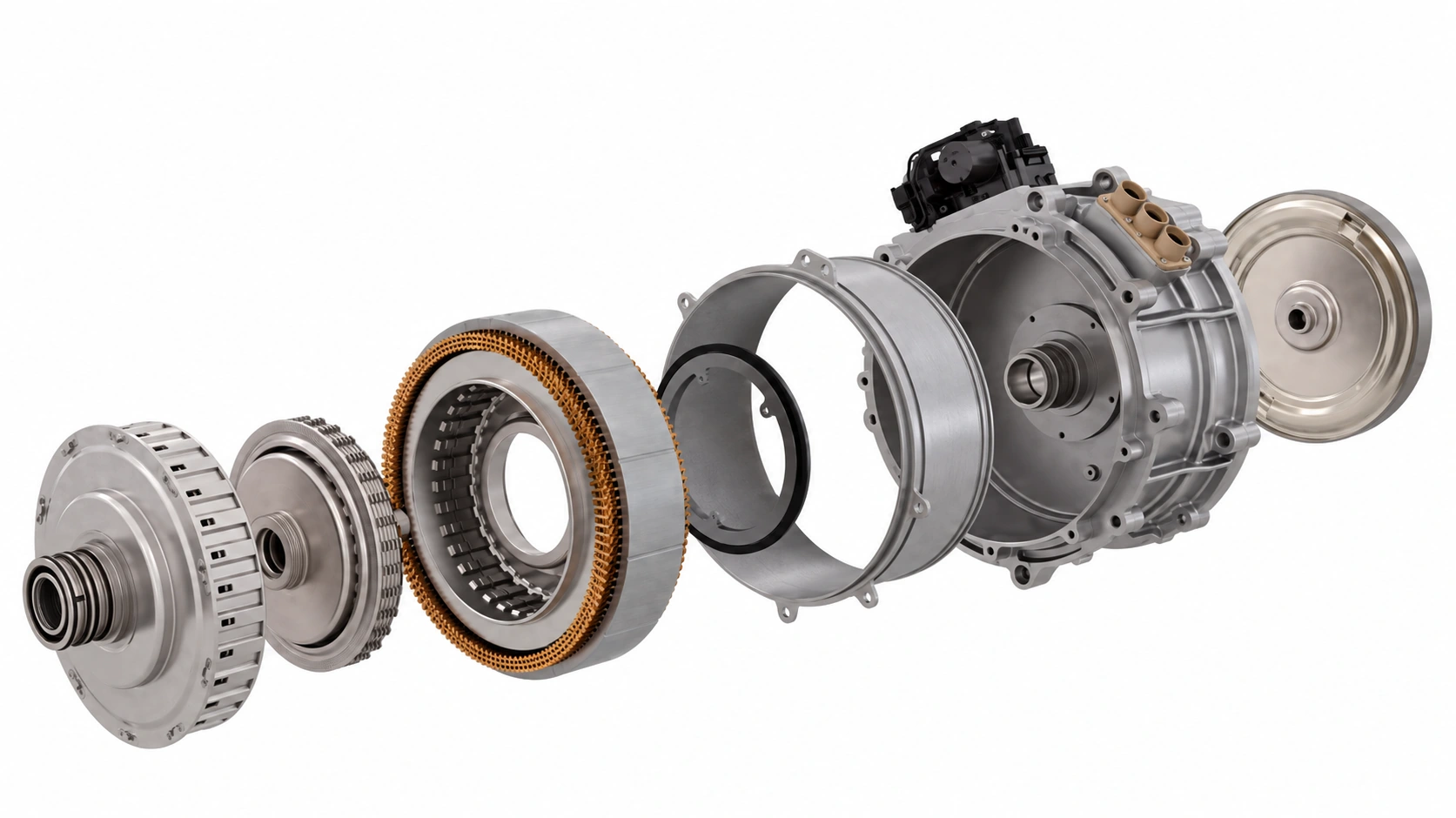
HXES Material Selection Notes · November 2026
One of the most common questions in our RFQ inbox: carbon steel costs half as much for the same dimensions—can we use it for the core?
The short answer is no, at least not anywhere alternating magnetic flux is present. Both steels conduct magnetic flux, but one is built for magnetism and the other for mechanical load. Put carbon steel inside an AC core, and both hysteresis and eddy current losses climb sharply. All of that extra energy turns straight into heat.
1. Five Takeaways Upfront
- The deciding factor is whether magnetic flux changes. Use electrical steel for alternating flux and low core loss; use carbon steel for structural load, wear resistance, weldability, and cost control.
- Carbon steel is magnetic, but poorly suited for repeated magnetization. Its high coercivity creates a wide hysteresis loop, and the extra energy burned every cycle goes straight into core temperature rise.
- Resistivity differs by a factor of three to four. Carbon steel sits at 0.10–0.20 µΩ·m, while 3% silicon steel reaches 0.45–0.50 µΩ·m. Eddy current loss scales inversely with resistivity.
- The gap in thickness and insulation is even wider. Eddy current loss scales with the square of thickness. Carbon steel is used in millimeter-gauge plates, whereas electrical steel is stacked from 0.18–0.65 mm insulated laminations.
- There is no universal coercivity multiple. The exact ratio depends on grade, heat treatment, residual stress, and test method. Any blanket claim that "carbon steel has N times the coercivity of electrical steel" does not hold up.
2. Side-by-Side Comparison
| Dimension | Electrical Steel | Carbon Steel |
|---|---|---|
| Design Goal | Magnetic flux management, low core loss | Strength, toughness, wear resistance, weldability, cost |
| Chemistry | Low carbon; 0.5–3.5% silicon; optional aluminum to tune resistivity | Carbon set for mechanical properties (0.05–0.25% in structural grades) |
| Resistivity | 0.45–0.50 µΩ·m (3% Si steel) | 0.10–0.20 µΩ·m |
| Coercivity | Single digits to approx. 15 A/m (GOES); tens of A/m (NGOES) | Hundreds of A/m |
| Hysteresis Loop | Narrow | Wide |
| Core Loss (1.5 T, 50 Hz) | ≤ 8.00 W/kg for 50W800 | Several times higher than electrical steel at the same flux density |
| Key Processes | Annealing, insulating coating, lamination stacking | Hot rolling, cold rolling, forming, welding, machining |
| Typical Applications | Transformer cores, motor stators/rotors, inductors, relays | Beams, plates, pipes, auto bodies, brackets, shafts, gears, fixtures |
| Price | High | Low |
Resistivity and core loss in the table above are directly measurable physical quantities; coercivity is not as straightforward. Coercivity is highly sensitive to chemistry, grain size, stress, and heat treatment—the same grade can vary several-fold before and after annealing. Cross-material comparisons only work at the order-of-magnitude level.
3. The Divergence Starts with Chemistry
Electrical steel adds silicon. Silicon raises electrical resistivity, pushing eddy current loss down in inverse proportion. As a rule of thumb, every 1% of silicon adds roughly 0.1 µΩ·m to resistivity. At 3% silicon, electrical steel reaches 0.45–0.50 µΩ·m—three to four times that of low-carbon steel.
Electrical steel strips out carbon. Carbon is an impurity in electrical steel and is driven below 0.005%. Carbides pin magnetic domain walls, raising coercivity and driving hysteresis loss up.
Carbon steel does the exact opposite. Carbon is dosed for strength—0.05–0.25% in structural steel, and higher in tool steel. More carbon delivers higher strength and hardness at the direct expense of magnetic performance. The two design paths split right at the melt shop.
Grain structure and texture set the ceiling. Grain-oriented electrical steel (GOES) relies on Goss texture to align the easy magnetization axis with the rolling direction, minimizing losses in transformer cores magnetized along that axis. Non-oriented electrical steel (NGOES) maintains random grain orientation for uniform properties in all directions, built for rotating motor fields. Carbon steel has no crystallographic texture control—its grain structure serves rolling and welding, not magnetic reversal.
Annealing and coating finish the job. Finished electrical steel goes through decarburization annealing and final annealing to relieve stress, grow grains, and lock in favorable texture, followed by an insulating surface coating to block inter-lamination currents. Carbon steel routes include neither step.
4. Why Carbon Steel Fails in AC Cores
The two largest components of core loss are hysteresis and eddy currents. Carbon steel loses on both.
Hysteresis: Paying Extra on Every Cycle
Hysteresis loss equals the area of the hysteresis loop multiplied by frequency. Higher coercivity widens the loop, burning more energy on every magnetization cycle.
GOES coercivity sits in the single digits to teens (A/m), NGOES in the tens of A/m, and ordinary carbon steel in the hundreds of A/m. At the same frequency and flux density, every bit of that extra per-cycle energy stays inside the core as heat.
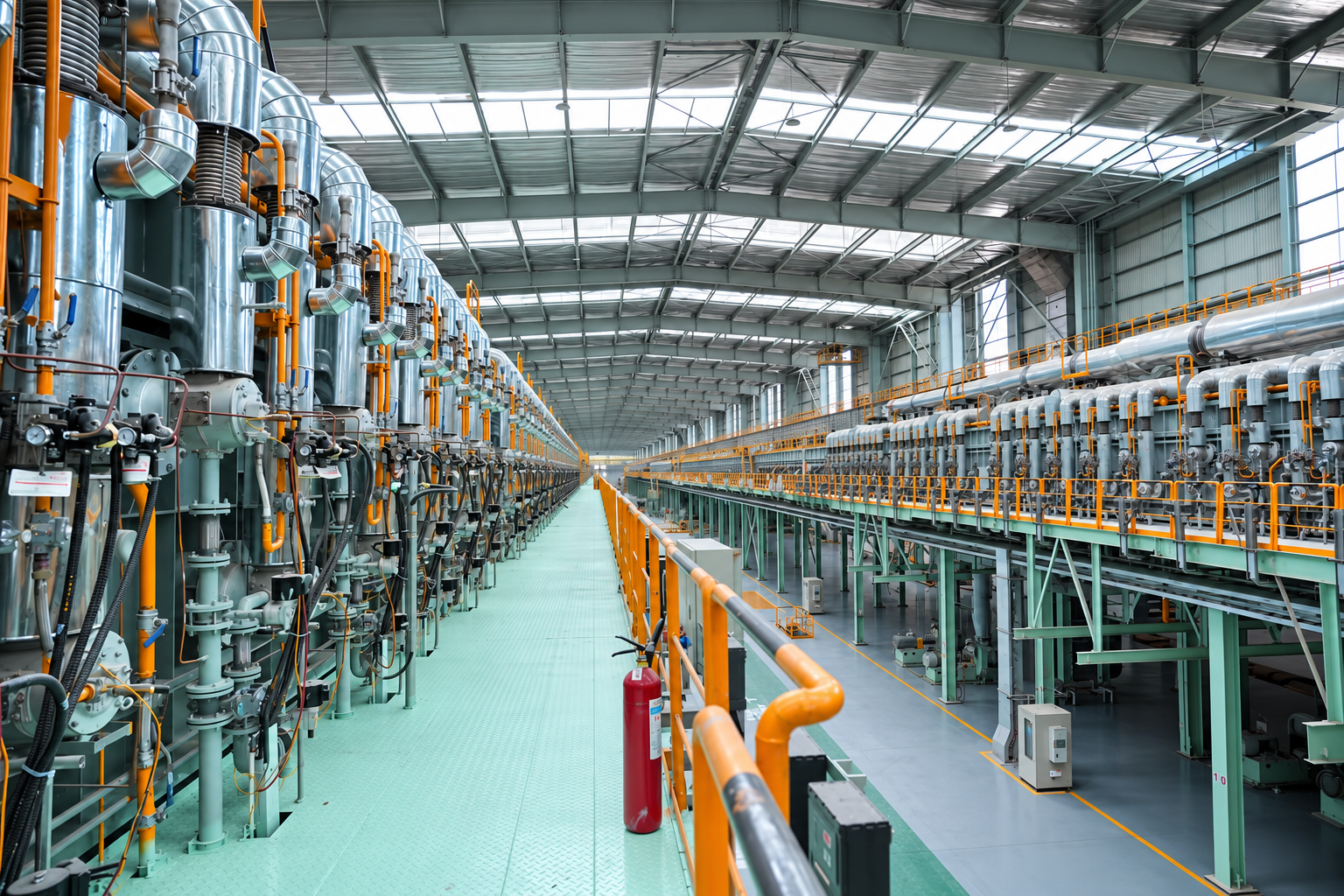
Eddy Currents: Resistivity, Thickness, and Insulation Compounded
Changing magnetic flux induces circulating currents inside the steel. Eddy current loss is inversely proportional to resistivity and proportional to the square of thickness.
| Factor | Electrical Steel | Carbon Steel | Impact |
|---|---|---|---|
| Resistivity | 0.45–0.50 µΩ·m | 0.10–0.20 µΩ·m | 3–4× higher eddy current loss |
| Sheet Thickness | 0.18–0.65 mm | Millimeter-gauge plate | Loss scales with thickness squared |
| Inter-Lamination Insulation | Coated | None | Currents cross between layers |
Stack all three factors together, and at their respective standard gauges, carbon steel suffers eddy current losses more than an order of magnitude higher than electrical steel. That is why transformer and motor cores must be built from thin, stacked laminations: thin sheets break up eddy current paths, and the coating blocks current from jumping sheet to sheet.
Running the Numbers
Take a 1-metric-ton core operating at the same flux density: electrical steel at 8 W/kg versus carbon steel at 20 W/kg—a 12 W/kg gap.
- Extra power draw: 1,000 kg × 12 W/kg = 12 kW
- Over 8,760 operating hours per year: 105,120 kWh
- At RMB 0.6/kWh: RMB 63,000 per year
You save on upfront material price and pay over RMB 60,000 a year in wasted electricity—before even factoring in the cooling and insulation costs triggered by higher core temperatures.
5. How to Choose
| Application | Recommended Material | Why |
|---|---|---|
| Power & distribution transformer cores | Grain-oriented electrical steel (GOES) | Fixed magnetic path; magnetized along rolling direction for lowest core loss |
| Motor & generator stators/rotors | Non-oriented electrical steel (NGOES) | Rotating magnetic path; uniform performance in all directions |
| Inductors, reactors, chokes | Electrical steel | AC operation requiring low core loss |
| AC relays, solenoid valves | Electrical steel | Repeated magnetization requiring low coercivity |
| DC magnetic circuits: yokes, armatures, solenoid cores | Low-carbon steel acceptable | No cyclic reversal; hysteresis loss is not an issue |
| Beams, plates, pipes, auto bodies, brackets, shafts, gears, fixtures | Carbon steel | Load-bearing, wear resistance, weldability, cost |
There is only one dividing line: does the magnetic flux alternate? If it alternates, use electrical steel. If it stays constant (DC), low-carbon steel works. If it carries no magnetic flux, use carbon steel.
6. Three Common Misjudgments
"Carbon steel is magnetic—if it conducts flux, it can make a core." Conducting flux and running at low loss are two different things. Carbon steel has adequate permeability, but its coercivity and resistivity guarantee heavy heating under AC. Flux conduction is about the slope of the B–H curve; core viability is about the area enclosed by the loop.
"Half the price means half the cost." Material price is only the purchase invoice. Core loss turns into heat, heat drives temperature rise, temperature rise cuts insulation life, and lower efficiency inflates power bills. Over a transformer's 20-year service life, no-load electricity costs outweigh the upfront core material savings.
"Electrical steel is just carbon steel with silicon added." Silicon is only one piece of the equation. Ultra-low carbon, grain texture, annealing, insulating coating, and lamination stacking all have to work together. Adding silicon without texture control and annealing will not bring losses down to electrical steel levels.
7. Frequently Asked Questions
Q1: What is the exact coercivity ratio between carbon steel and electrical steel?
There is no fixed ratio. Carbon steel has higher coercivity than transformer-grade electrical steel, but the exact multiple depends on grade, heat treatment, grain structure, residual stress, and test method.
Q2: Why is electrical steel's coercivity so low?
Chemistry, grain size, texture, and annealing work together so magnetic domains can reverse under a very small opposing field. Carbon steel production routes are not designed for that.
Q3: Is carbon steel magnetic?
Yes. Most carbon steels are ferromagnetic. Being magnetic, however, does not make a steel suitable for AC cores—the real test is core loss under repeated magnetization.
Q4: Can carbon steel replace electrical steel?
Not in AC cores for transformers, motors, or generators. For DC magnetic components—such as yokes, armatures, and solenoid parts—low-carbon steel can be used.
Q5: Why do transformers use silicon steel instead of carbon steel?
A transformer core reverses magnetization 50 or 60 times every second, compounding hysteresis and eddy current losses on every cycle. Silicon steel's low coercivity and high resistivity keep both losses to a minimum; carbon steel cannot.
Q6: What if we stack thin carbon steel sheets?
Stacking thin sheets addresses thickness and inter-lamination insulation, but it does not fix resistivity or coercivity. Resistivity remains three to four times lower, and coercivity remains an order of magnitude higher.
About HXES
| Item | Details |
|---|---|
| Entity | Guangzhou Huaxin Industrial Co., Ltd. (HXES), registered in Guangzhou; sales, export documentation, and customer service based in Guangzhou |
| Processing Base | Hunan, approx. 10,000 m²; slitting, cut-to-length / step-lap shearing, stamping, and core stacking |
| Incoming Specs | Thickness 0.18–0.50 mm; max incoming coil width 1,250 mm |
| Processing Precision | Slitting width tolerance ± 0.2 mm; burr ≤ 0.02 mm |
| Delivery Forms | Mother coils, slit coils, cut-to-length laminations, finished cores |
| Quality Documents | Mill Test Certificate (heat no. + measured P17/50 or P15/50, B8), dimensional inspection report, packing list, container loading photos |
| Contact | Quotes & Technical: kristy@huaxinelecsteel.com; Orders & Docs: michael@huaxinelecsteel.com |
We do not supply carbon steel. This question keeps coming up because buyers look at unit price per ton while core loss costs hide in daily operation. If you are weighing the two materials, send us your flux density, frequency, core weight, and duty cycle—we will run the loss and temperature-rise numbers first, then talk material.
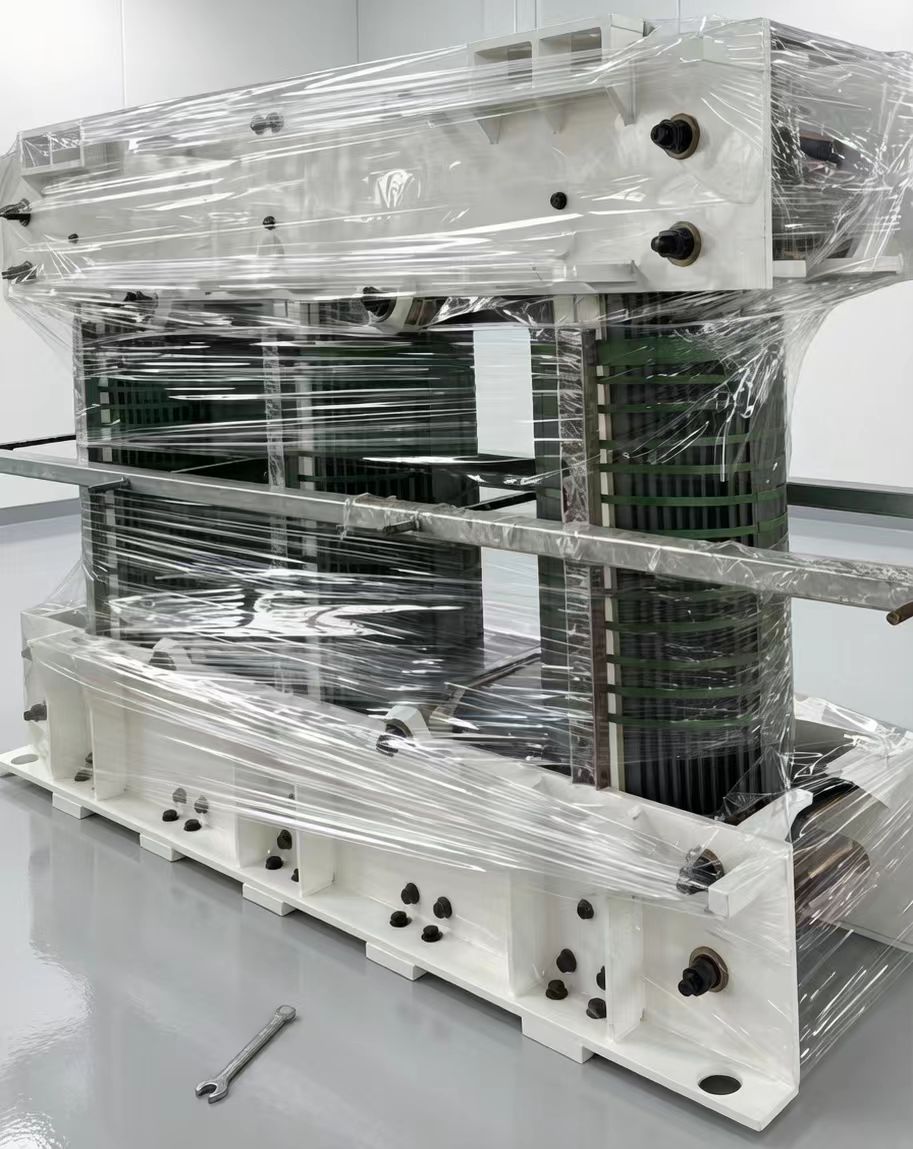 Grain-Oriented Electrical Steel (GOES): Locking Magnetic Flux in the Rolling Direction
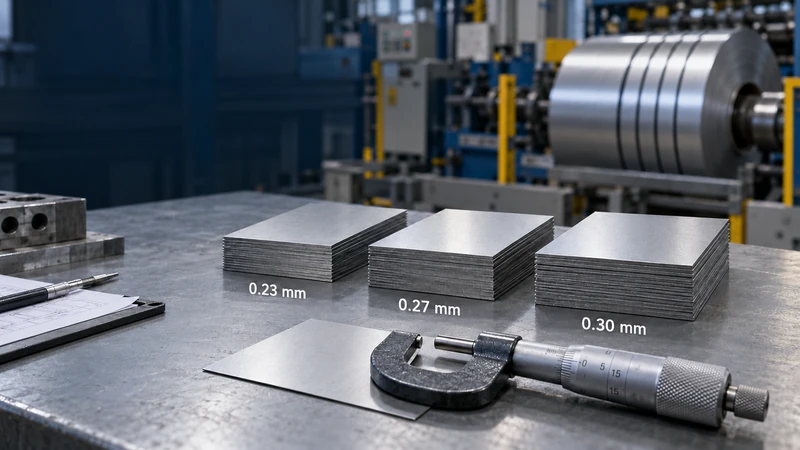 Choosing lamination thickness: 0.23, 0.27 or 0.30 mm is about more than 0.07 mm
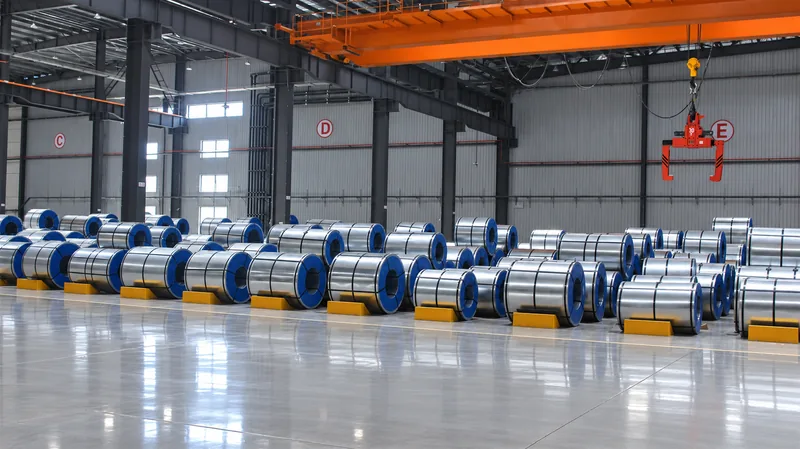 What is an electrical steel coil? GO vs NGO, key properties, and why core loss sets the price

