


Grain-oriented or non-oriented: which electrical steel do you need?
Grain-oriented steel is made for flux in one direction, non-oriented steel performs the same in every direction. The application decides which one you need.
Both materials are silicon-iron sheet with an insulating coating, and both are sold by their core loss. The difference lies in the crystal structure. In grain-oriented steel (GOES) the grains are aligned so that the rolling direction is the easiest direction to magnetise; in non-oriented steel (NGOES) the grains are randomly oriented, so the properties are similar in every direction of the sheet.
Transformers: grain-oriented
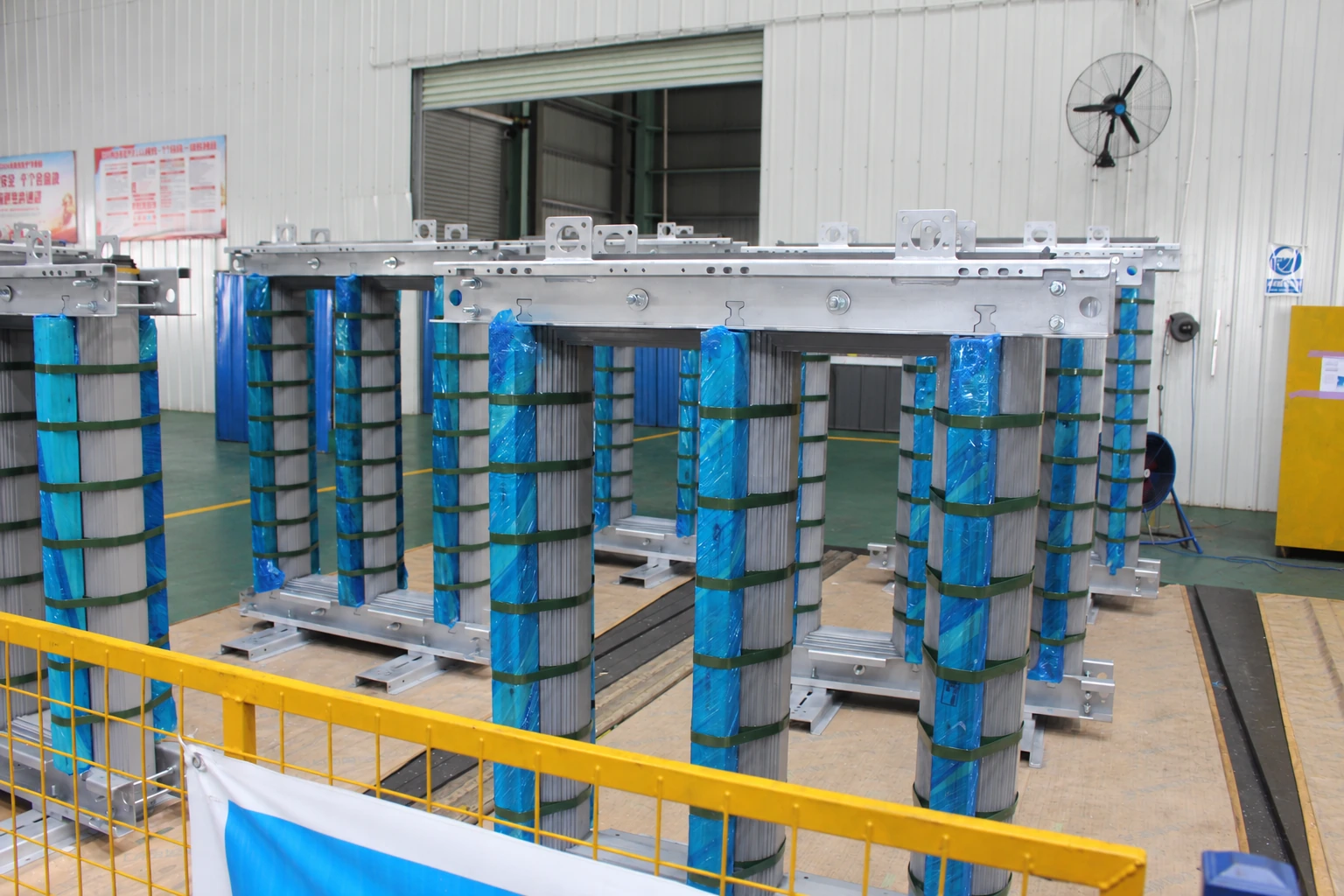
In a transformer the flux runs along the limbs and yokes, always in the direction of the strip. Grain-oriented steel aligned with that direction gives very low loss and high induction, which is why power and distribution transformers and reactors are built from it.
Motors and generators: non-oriented
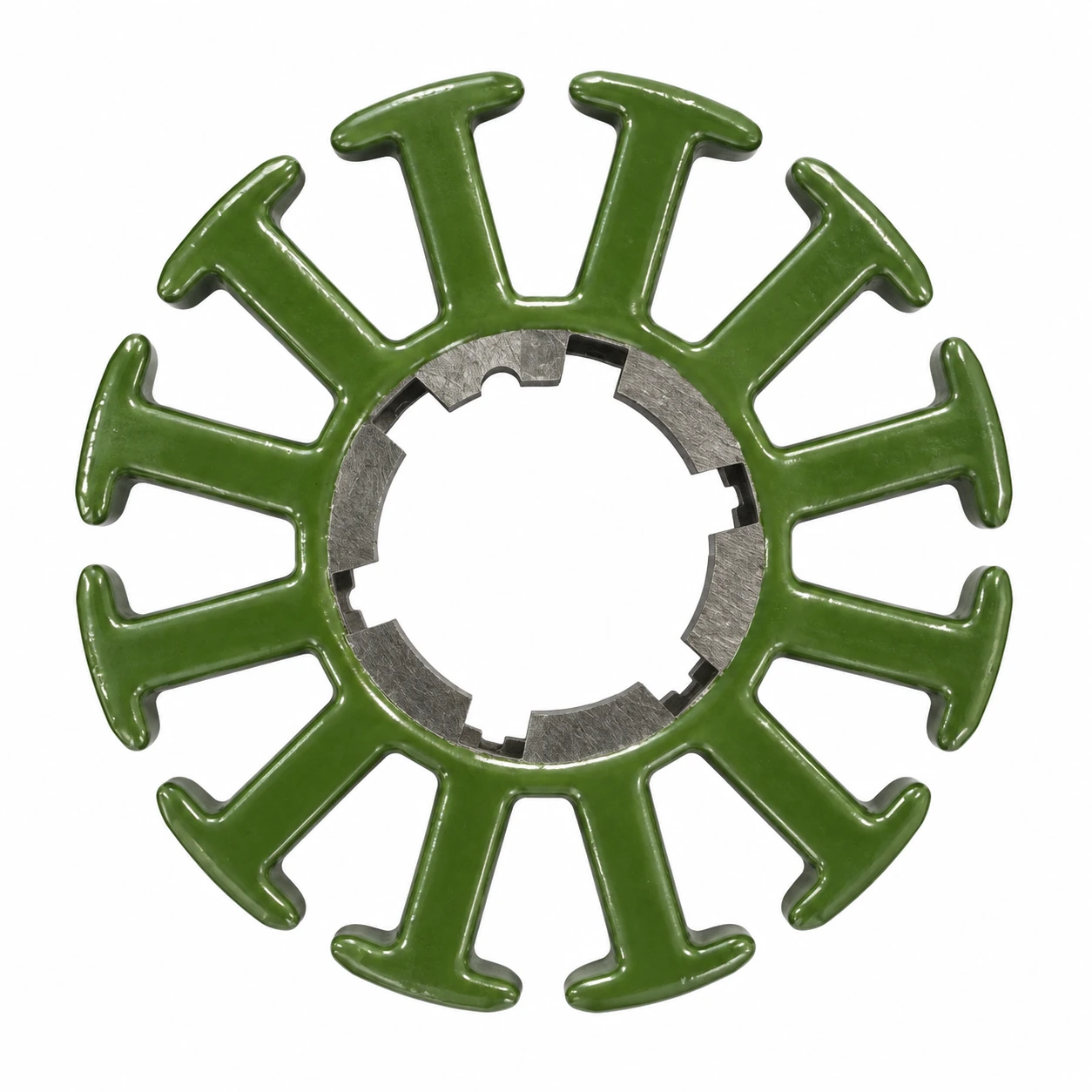
In a motor the magnetic field rotates, so every part of the lamination sees flux in many directions. Non-oriented steel, with properties that are nearly the same in all directions, is the right choice for motors, generators, EV drive motors and compressors.
| Item | GOES | NGOES |
|---|---|---|
| Common thickness | 0.23–0.35 mm | 0.35–0.50 mm |
| Loss test condition | P1.7/50 | P1.5/50 · P1.0/400 (EV) |
| Main uses | Power and distribution transformers, reactors | Motors, generators, EV drives, compressors |
| Typical processing | Slitting, step-lap cutting, core stacking | Slitting, stamping, interlocking, coating |
Quick decision guide
- Static field in one direction (transformer) → grain-oriented
- Rotating field (motor, generator) → non-oriented
- High-frequency EV motor → thin new-energy non-oriented grades (0.20–0.30 mm)
Grey areas
Some designs sit between the two: large rotating machines with segmented cores, or small transformers where cost matters more than the last fraction of a watt. In these cases the comparison should be made on the finished core, including processing and stacking factor, not on the sheet data alone. Send us the design and we will compare the options.

