



Electrical Steel for Global ManufacturersCRGO and CRNGO coils, sheets and slit strips for transformer and motor manufacturers worldwide. Share your grade, dimensions and quantity for a quotation.

Play film (English)

Material preparation and slittingCoil slitting and cut-to-length processing to your required dimensions.

Precision processing and finishingLamination stacking, assembly and coating requirements coordinated to your drawings.
Solutions
Electrical steel and coordinated supply
for global business buyers


Grain-oriented steel
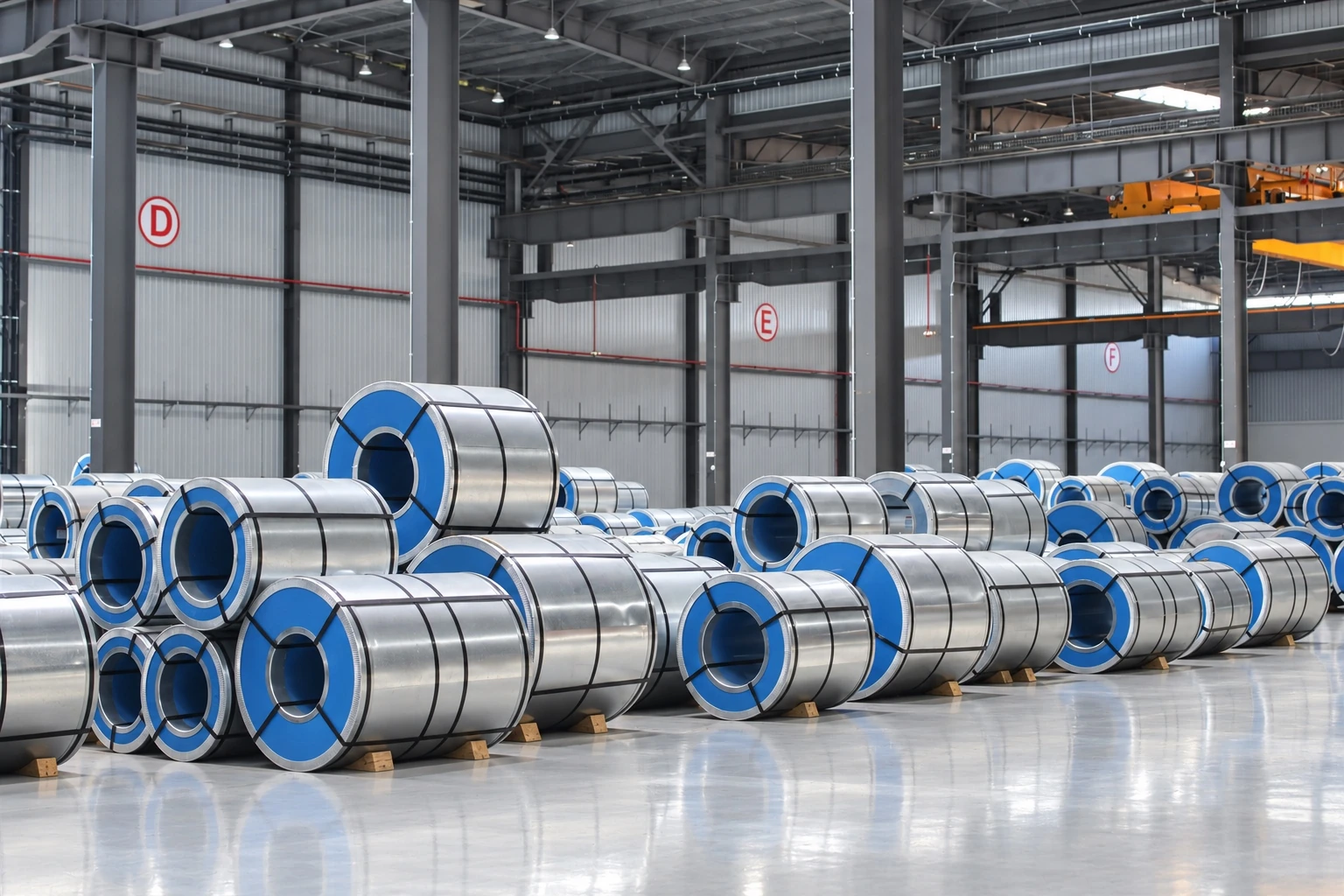
Grain-oriented steel for transformer cores, traceable to its source coil.Grain-oriented steel for transformer cores, traceable to its source coil.
Grain-oriented electrical steel
Confirm grades, specifications and test conditions

Non-oriented electrical steel
Non-oriented steel for motors and generators, selected for performance and processing needs.Non-oriented steel for motors and generators, selected for performance and processing needs.

Transformer cores
Cores cut and stacked to your drawing with mitred and step-lap joints; a no-load test can be agreed.Transformer cores made to drawing.

Processing capability
Slitting, cutting, stamping and stacking in our own plant; customer-supplied material accepted.Slitting, cutting, stamping and stacking.


About HXES
Electrical steel materials and processing solutions for business customers worldwide.
Meet HXESTechnical support
Innovation
Specifications, quality records and in-house processing
-


Quality reviewQuality support
Mill certificates link source coils to processing and inspection records.
-


Order coordinationOrder coordination
From enquiry and samples to the trial lot and scheduled supply, one contact follows your order through production, packing and export documents.
-


Processing capabilityProcessing capability
Our own plant in Hunan slits, cuts, stamps and stacks grain-oriented and non-oriented steel from 0.18 to 0.50 mm into laminations and finished cores.
Resources
News
Resources for better sourcing
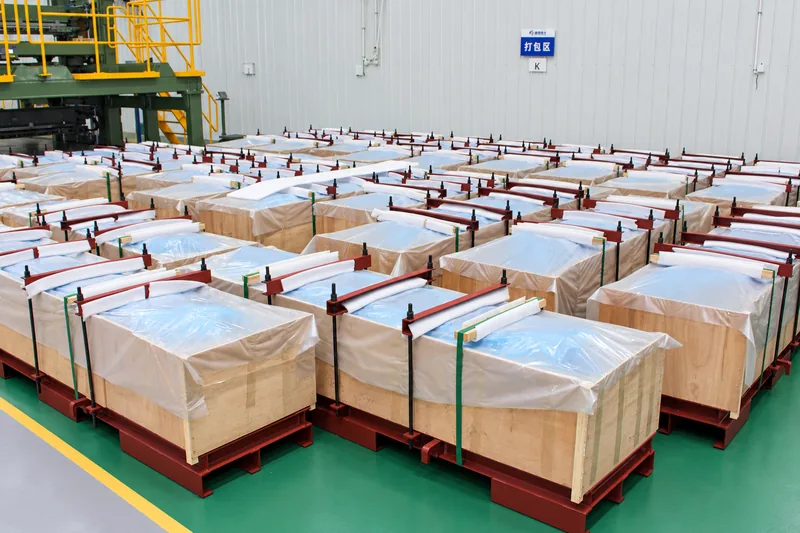
Buying electrical steel for India: BIS rules, Nhava Sheva and Chennai shipping, CIF quotes
CRGO and CRNO imported into India must come from BIS-licensed mills. This guide covers the BIS checks, the matching grades, shipping to Nhava Sheva and Chennai, and what a CIF quotation includes.
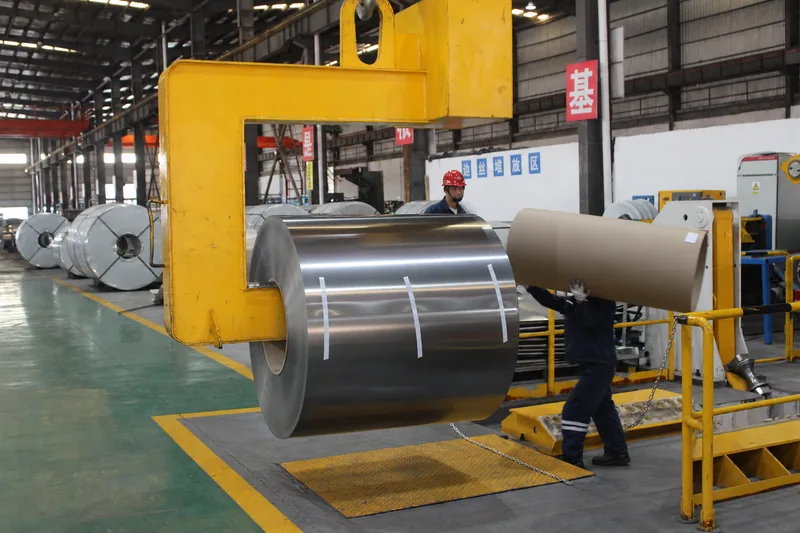
Buying electrical steel for Brazil: grades, duties, shipping to Santos and CIF quotes
How Baosteel grades compare with the AISI M-grades and ABNT references used in Brazil, which anti-dumping duties apply, and how CIF shipments to Santos or Paranaguá are quoted.
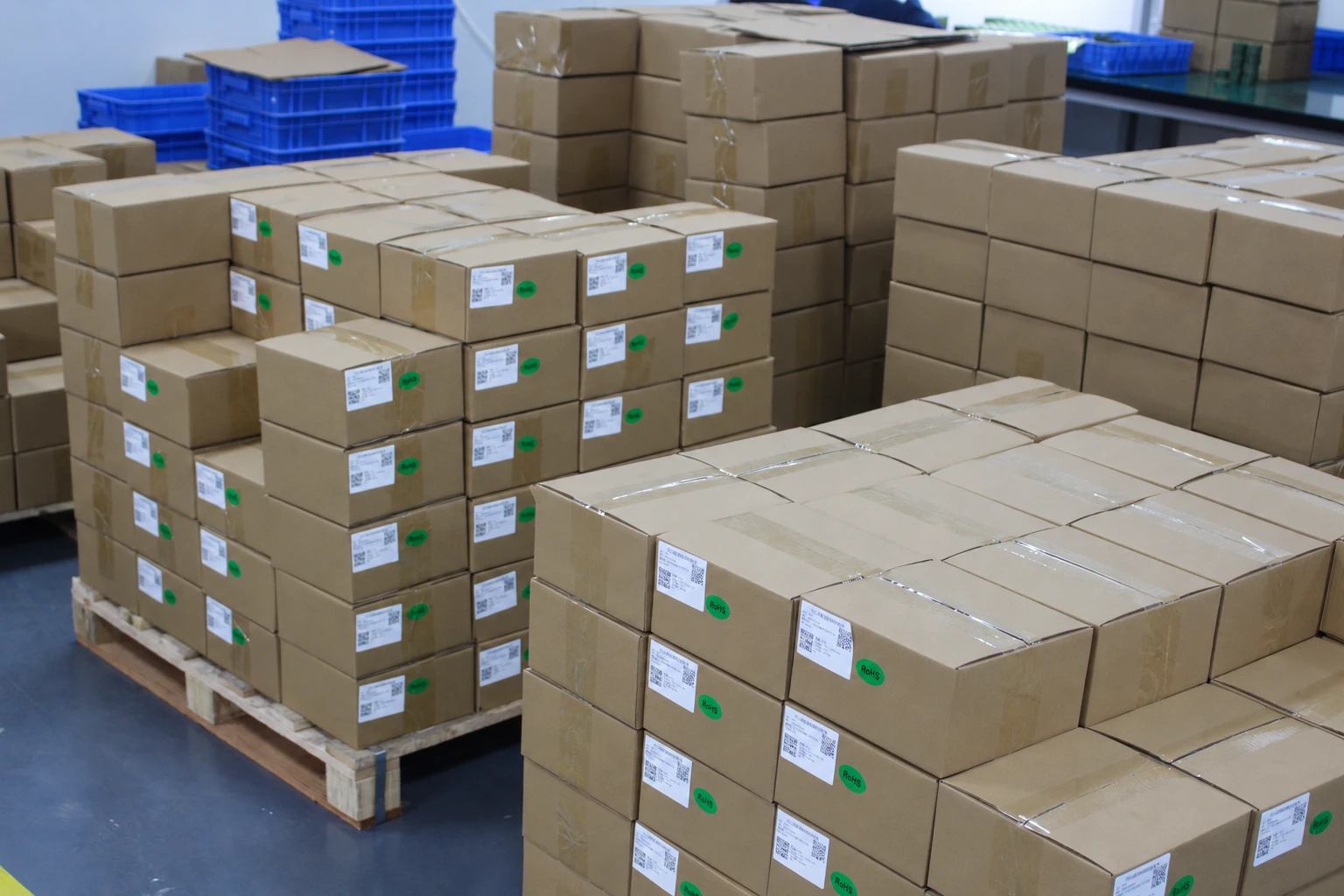
Buying electrical steel for Italy: EN grades, EU duties and CBAM, CIF quotes to Genoa
Italian buyers specify EN 10107 and EN 10106 grades. This guide matches them with Baosteel grades and explains the EU anti-dumping duty on grain-oriented steel, CBAM reporting and CIF quotations.
Buying electrical steel for Turkey: TS EN grades, import checks, CIF quotes to Mersin and Istanbul
Turkish buyers use the EN grades adopted as TS EN 10107 and TS EN 10106. Here are the Baosteel equivalents, the import points to check with your broker, and how CIF shipments are quoted.
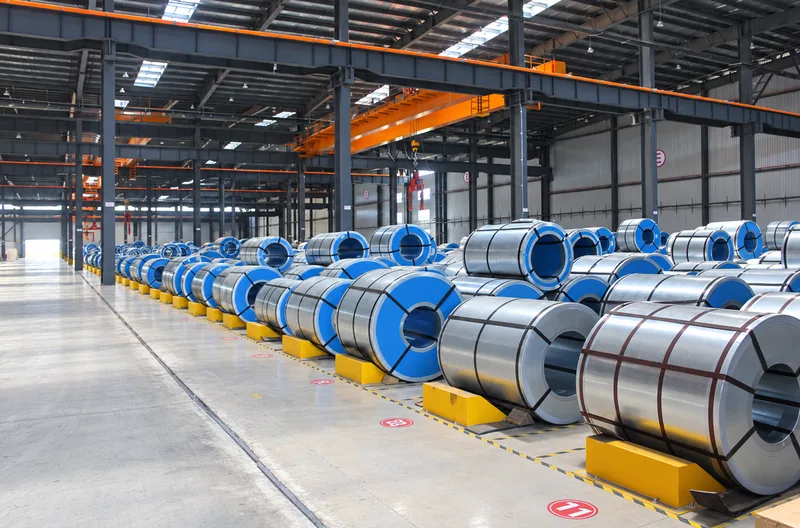
Buying electrical steel for Mexico: ASTM and AISI grades, 2026 tariffs, CIF quotes to Manzanillo
Mexican transformer and motor makers mostly follow ASTM and AISI grades. This guide gives the Baosteel equivalents, the 2026 tariff changes to check, and how CIF shipments to Manzanillo or Lázaro Cárdenas are quoted.
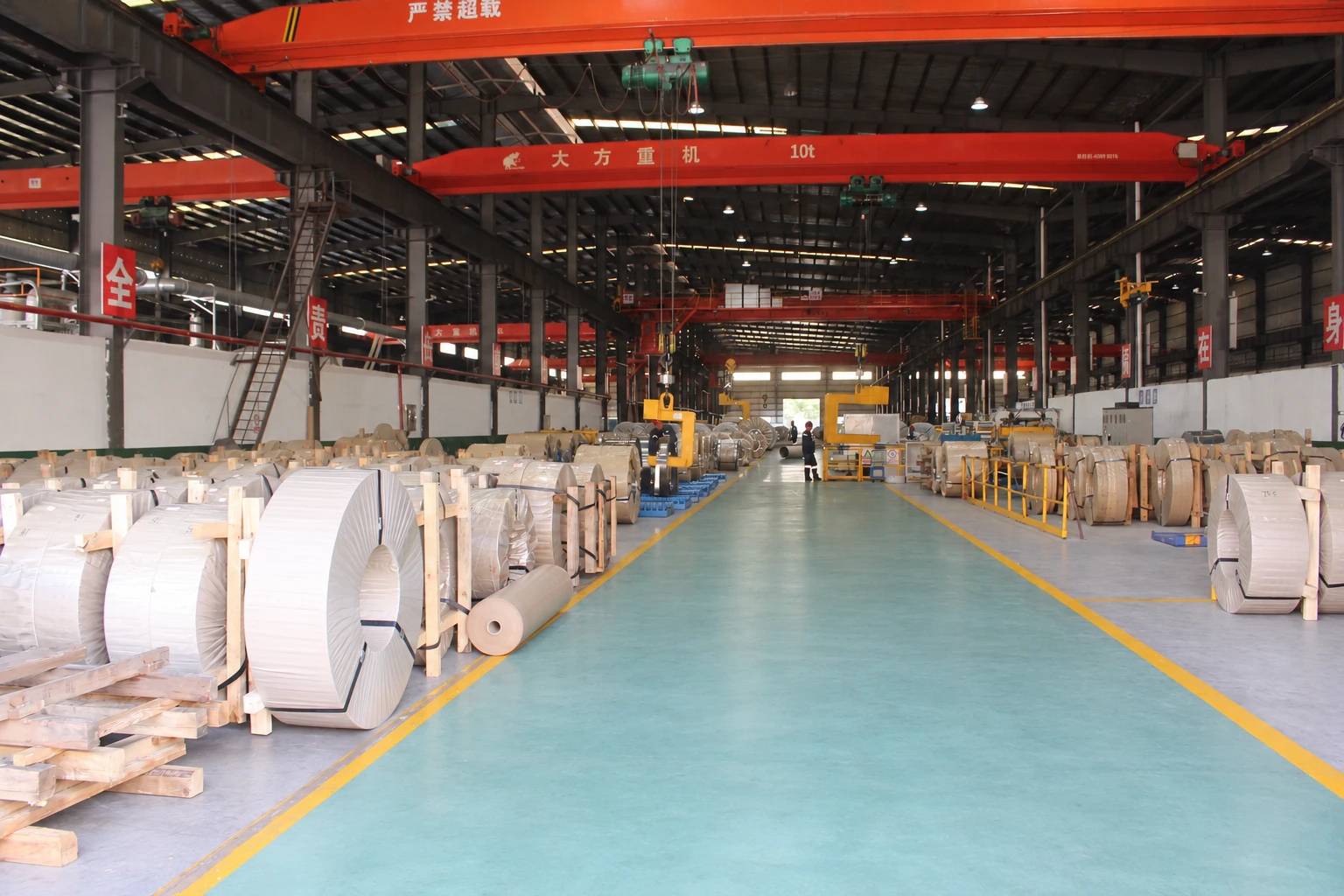
Our stock grade list: 26 popular Baosteel grades and how to request them
We now publish the Baosteel CRGO and CRNGO grades we supply most often. This guide explains what the list shows and what to include in a request so we can confirm stock and quote quickly.
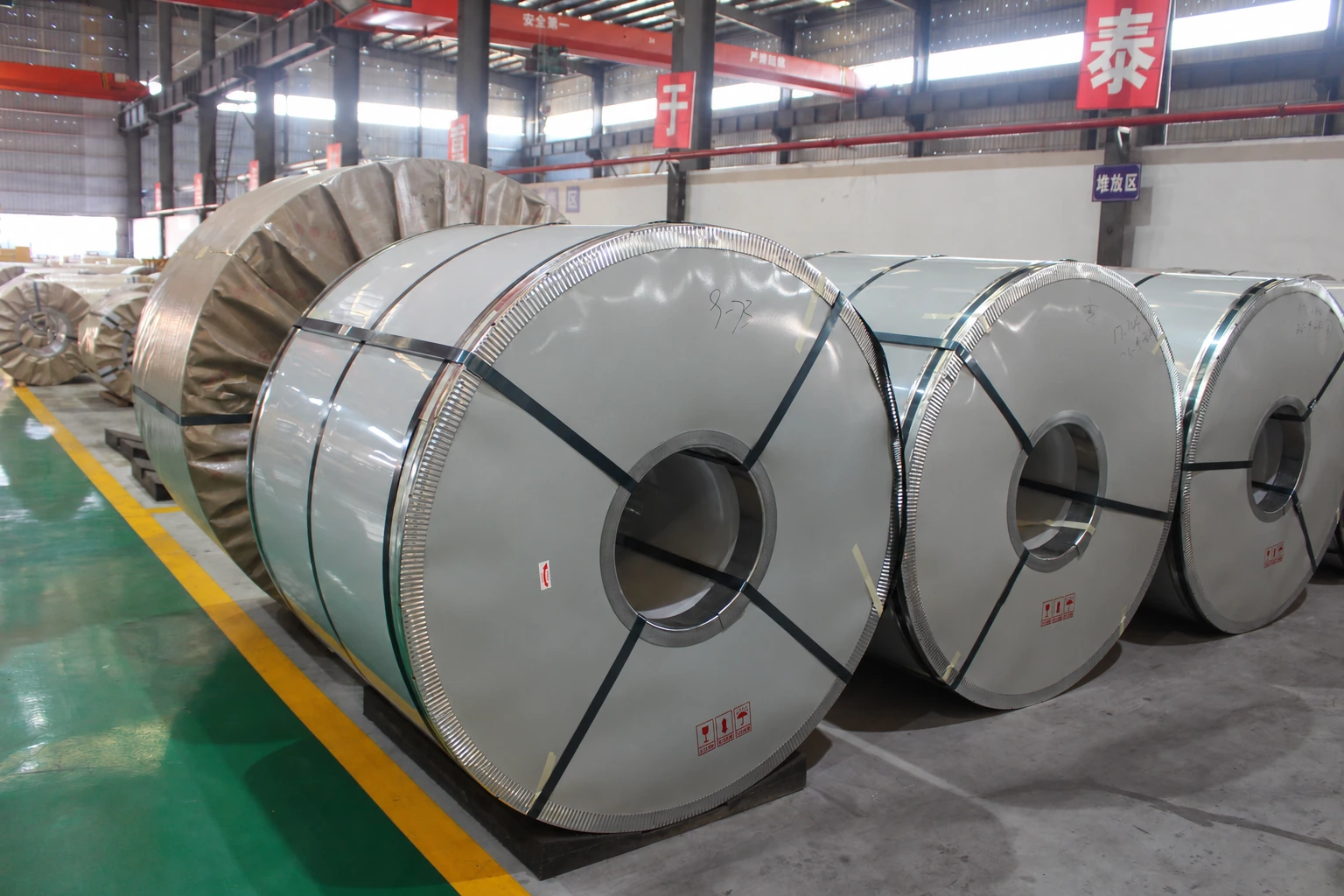
Grade equivalents: comparing Baosteel with Nippon Steel, JFE, POSCO and European standards
Drawings and specifications often name a grade from another mill or standard. This table and checklist help you find the matching Baosteel grade.
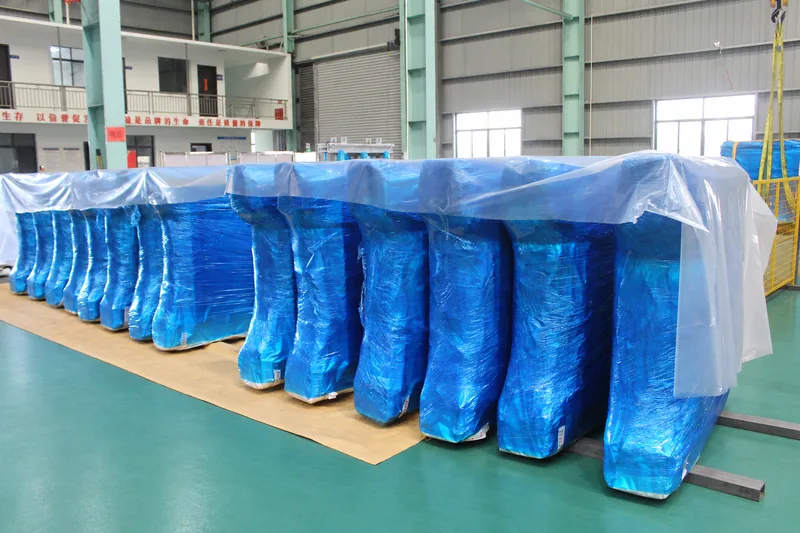
Loading coils and cores into containers: securing, weight and moisture
Electrical steel is heavy, concentrated cargo that is sensitive to moisture. How we plan container loads so that coils and cores arrive flat, dry and undamaged.
Export packing for electrical steel and cores: pallets, crates and moisture protection
Electrical steel can be damaged by moisture, edge impact and shifting loads. This is how we pack coils, laminations and cores for long transport routes.
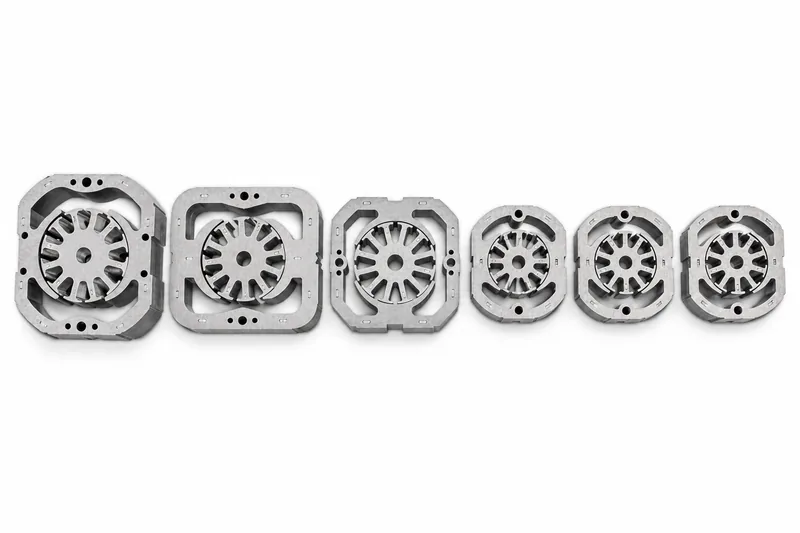
From trial order to supply contract: how a new electrical steel supply is set up
A new supplier relationship works best in stages: samples, a trial lot, then scheduled supply. Here is what happens at each stage and what both sides should agree.
FOB, CFR, CIF or DAP? Choosing Incoterms for electrical steel shipments
The Incoterm decides who books the freight, who insures the cargo and where the risk passes. A practical comparison of the terms most used for coil and lamination shipments from China.
Incoming coil inspection and storage: what we check before processing
Every coil that enters our plant is checked against its certificate, identified and stored so that its data can be traced to the finished part.
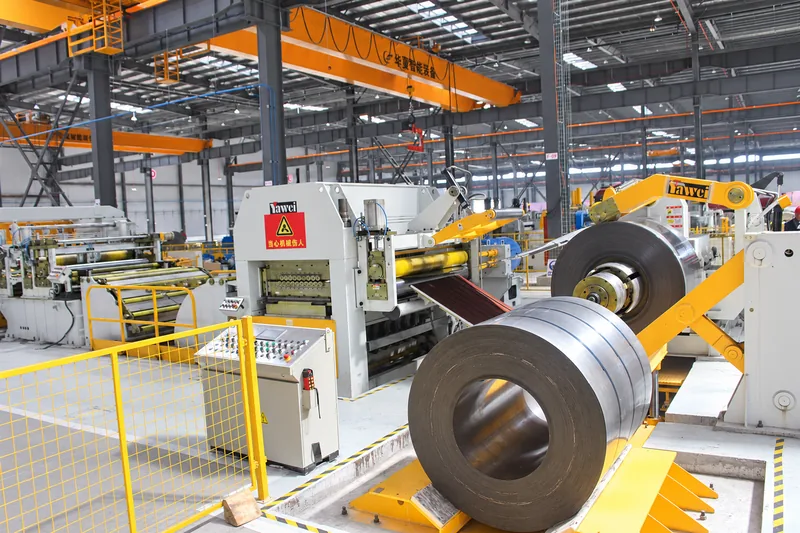
Specifying slit coils: what to put on the purchase order
Most problems with slit coils come from requirements that were assumed but never written down. This checklist covers the dimensions and coil details to agree before slitting starts.
HS codes for electrical steel, laminations and cores
Using the right customs heading avoids delays and wrong duty rates. The Harmonized System splits electrical steel by grain orientation and width, and treats laminations and cores as parts.
How to read an electrical steel mill test certificate
The mill test certificate is the document that links each coil to its measured properties. This guide explains the fields that matter and what to check before the coil goes into production.
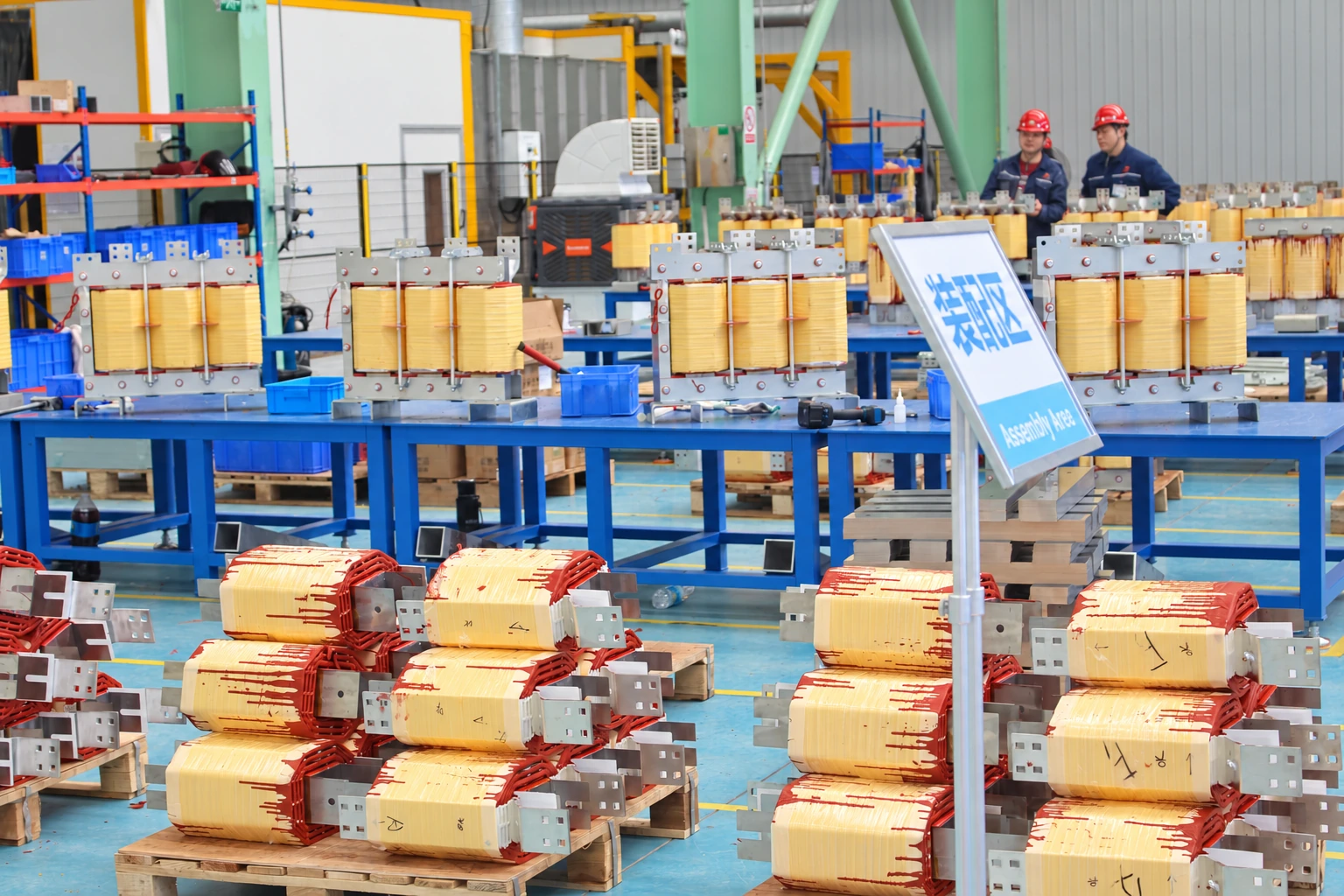
Choosing a grain-oriented grade for transformer efficiency class
Lower core loss means lower no-load loss. This guide compares Baosteel conventional, high-permeability and domain-refined grain-oriented grades for transformer cores.
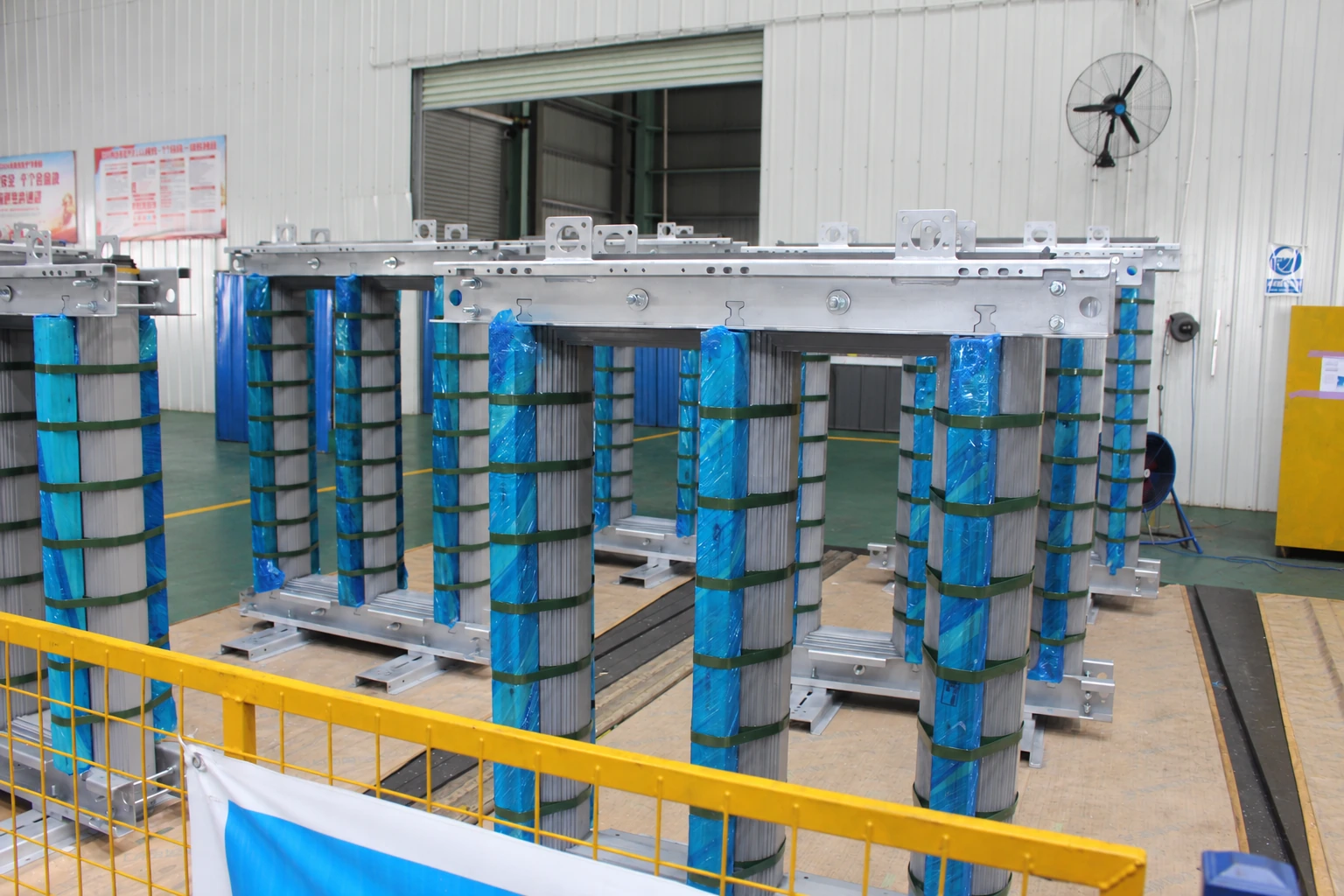
Grain-oriented or non-oriented: which electrical steel do you need?
Grain-oriented steel is made for flux in one direction, non-oriented steel performs the same in every direction. The application decides which one you need.
How to read electrical steel grade names
How to read Baosteel grade names such as B23R080 and B35A270, and how they compare with Nippon Steel, JFE, POSCO, GB/T, EN and JIS designations.
Baosteel electrical steel: grades and purchasing reference
Review Baosteel grades and technical information alongside batch documents and order acceptance requirements.
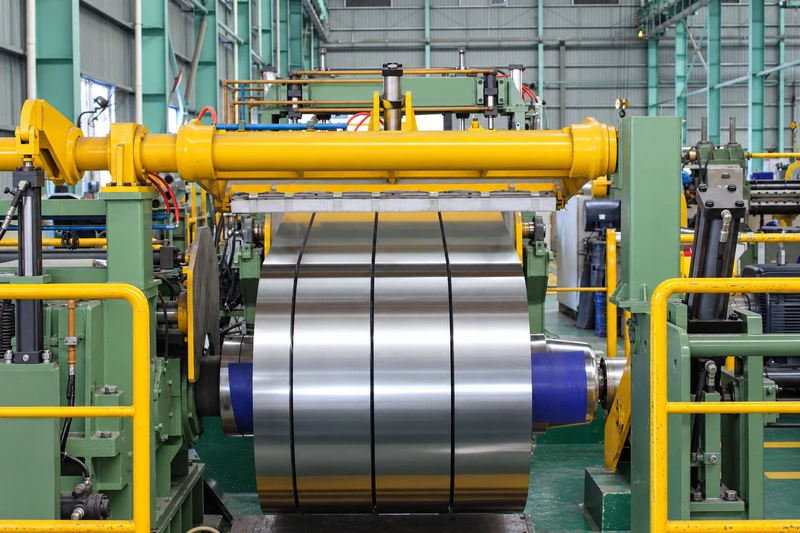
Inside our processing plant: from master coil to finished core
A photo walk through our Hunan processing base: slitting, cutting, high-speed stamping, automated stacking, inspection and packing under one roof.
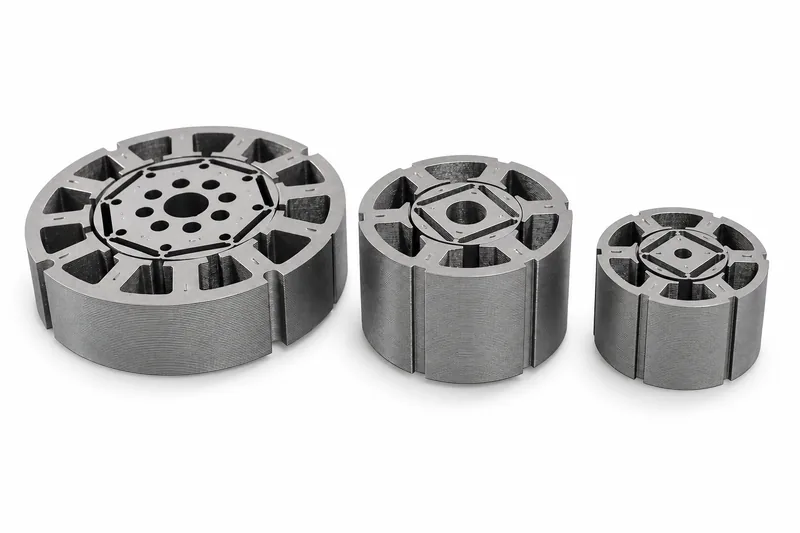
Meeting electrical steel suppliers at a trade show: how to prepare
A twenty-minute meeting at a booth is enough to qualify a supplier, if you bring the right information and ask the right questions.
Electrical steel and transformer exhibitions in 2026: a buyer’s calendar
Three trade shows in 2026 bring together core materials, transformer and motor makers. Dates and venues as published by the organisers, with tips for planning supplier meetings.
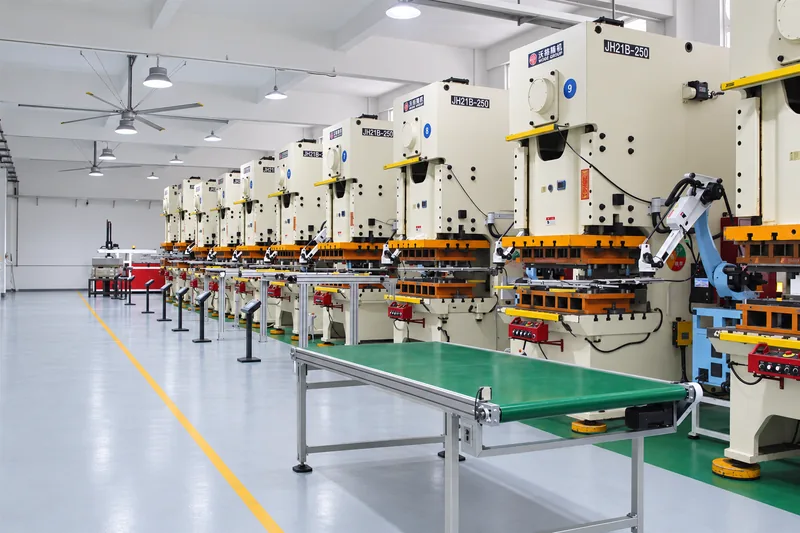
Plant visits and live video audits: see your material being processed
Customers can visit our processing base in person or join a live video walk-through. What a visit covers and how to arrange one.
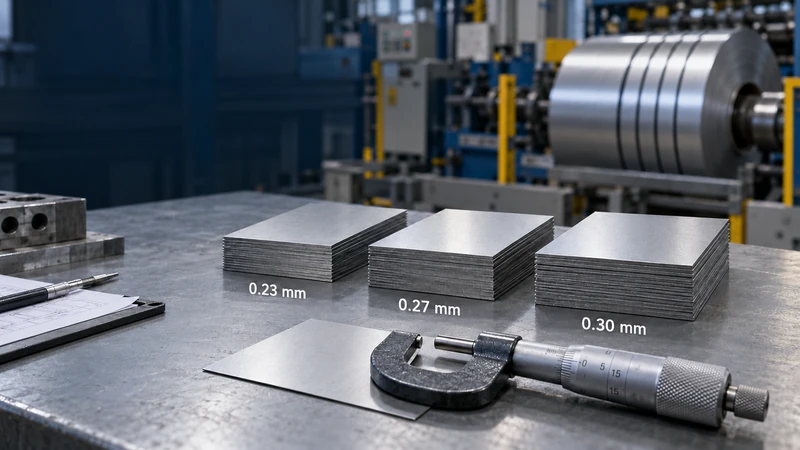
Choosing lamination thickness: 0.23, 0.27 or 0.30 mm is about more than 0.07 mm
Thinner electrical steel cuts eddy-current loss, but it also adds layers, stamping strokes, die wear and stacking-factor loss. How thickness affects core loss, how frequency sets the lower limit, and how to choose between 0.23, 0.27 and 0.30 mm.
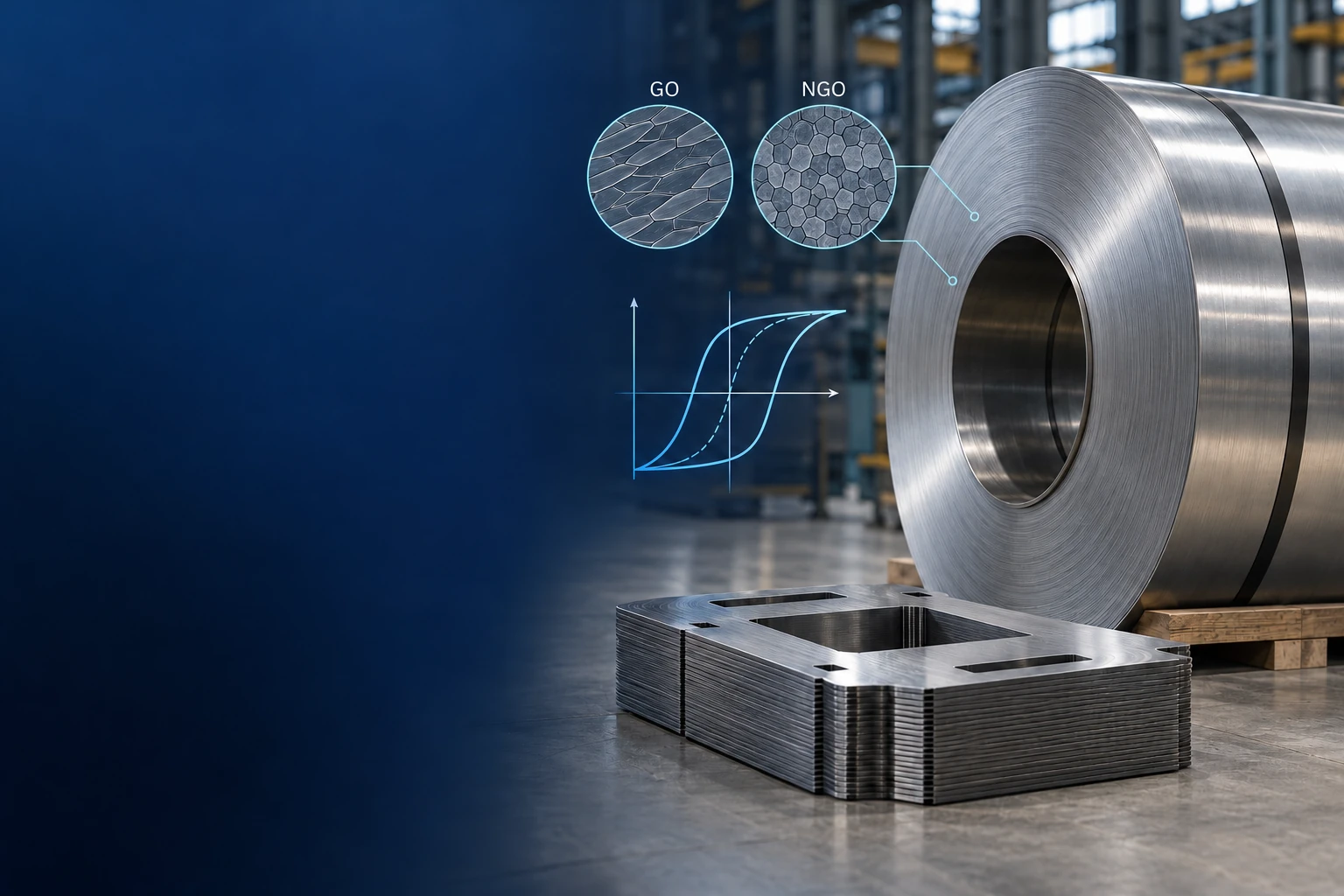
What is an electrical steel coil? GO vs NGO, key properties, and why core loss sets the price
An electrical steel coil is sold for one thing: low loss in an alternating magnetic field. This guide explains how silicon, grain orientation, thickness and coating create that property, how to read a specification sheet, and why core loss decides efficiency, temperature rise and price.
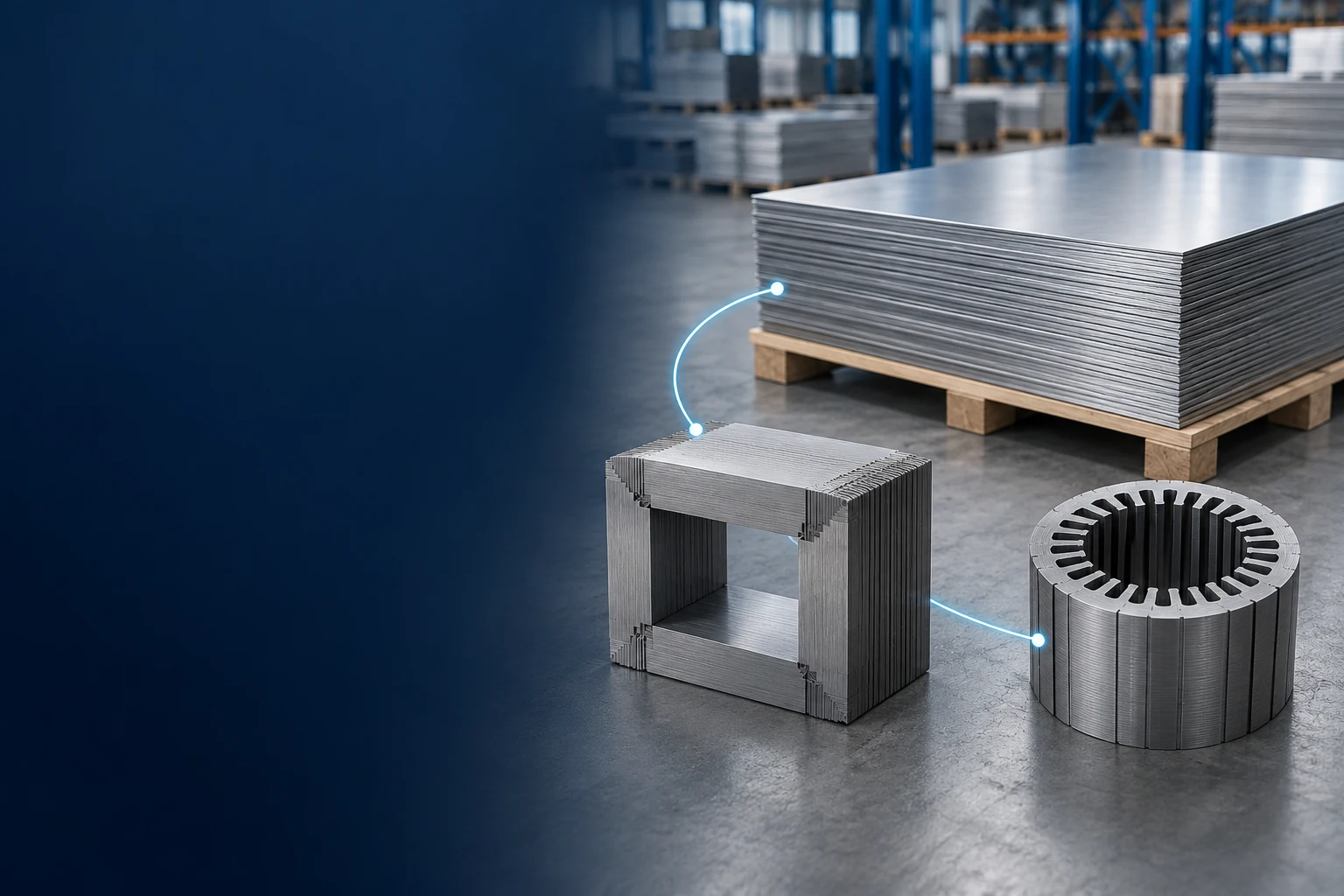
Electrical steel or silicon steel? A complete guide from the name to the finished core
Two names, one family of soft magnetic steel. This guide explains what really separates one sheet from another – silicon, grain orientation, thickness, coating and processing – and how to specify it so that the core performs.
Building factor: why an assembled transformer core loses more than the datasheet says
Mill core loss is measured on single strips under ideal conditions. In a finished core, joints, cutting and clamping add loss. Knowing where it comes from helps designers choose grades and specify processing.
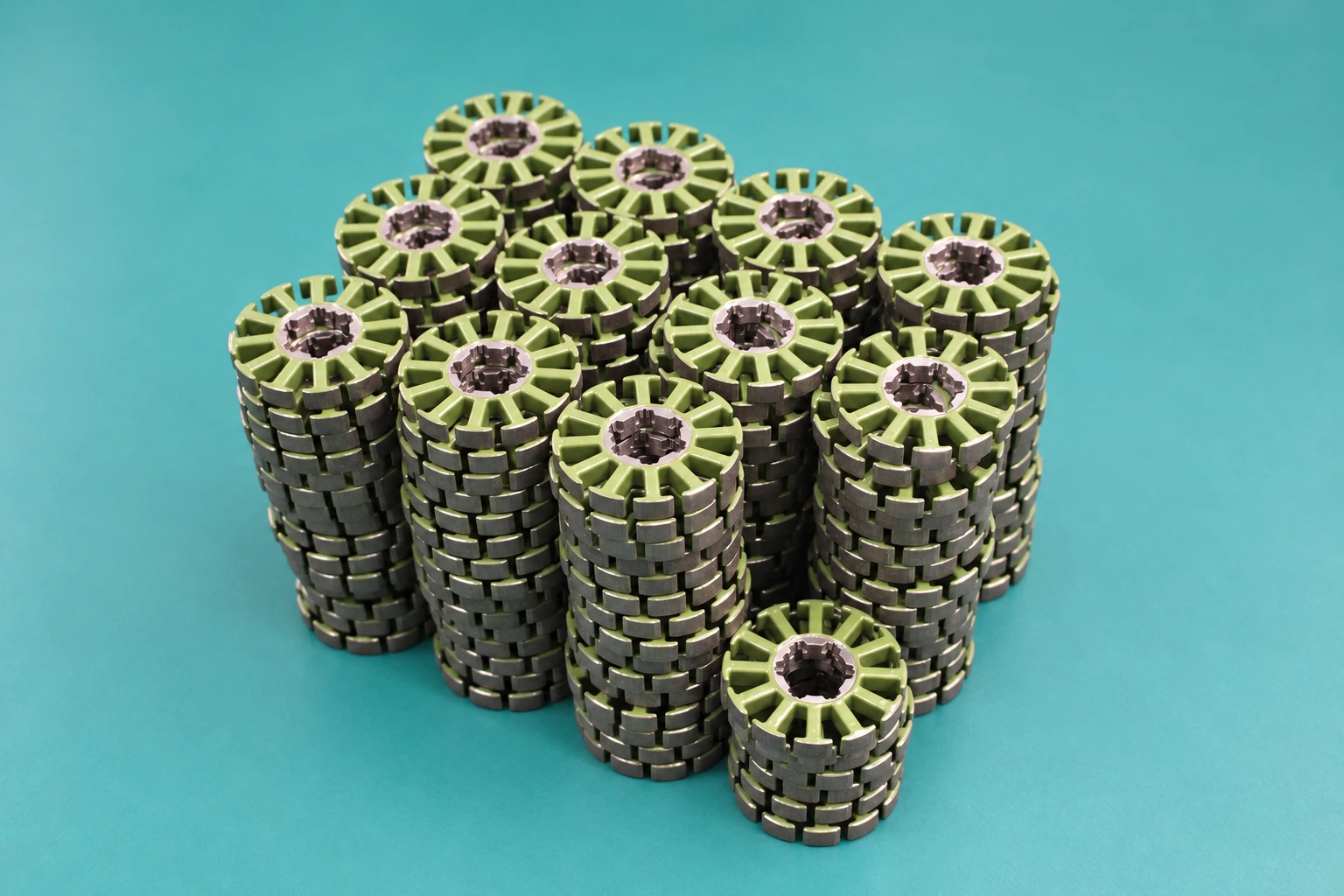
Choosing non-oriented electrical steel for EV and high-efficiency motors
Thickness, core loss and magnetic induction pull in different directions in motor design. A practical guide to the Baosteel A and AH series.
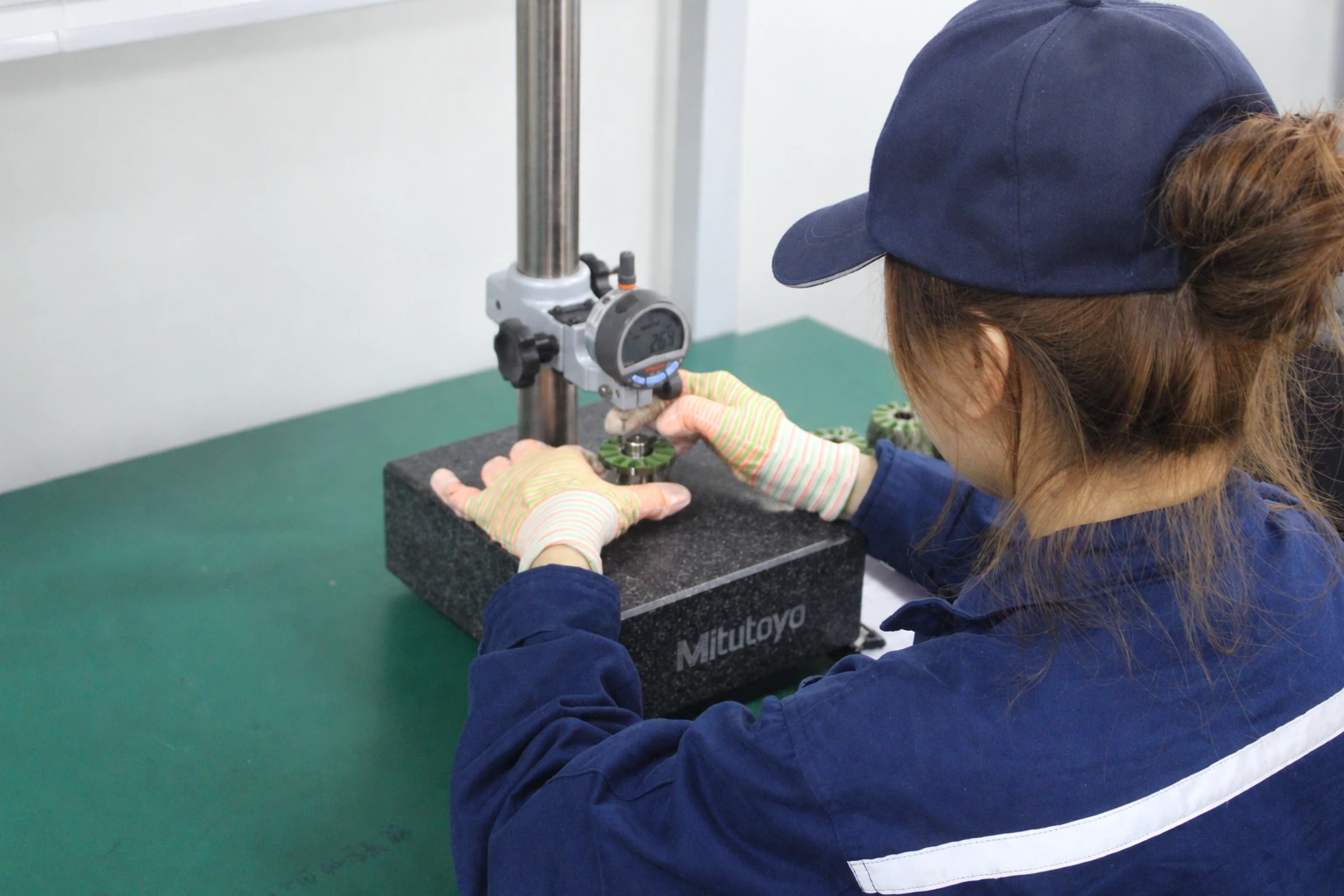
Measuring motor cores: CMM, vision measurement and height gauges in our quality lab
A stamped and stacked motor core has to meet tight tolerances on bore, slots, stack height and perpendicularity. Here is how we measure them.
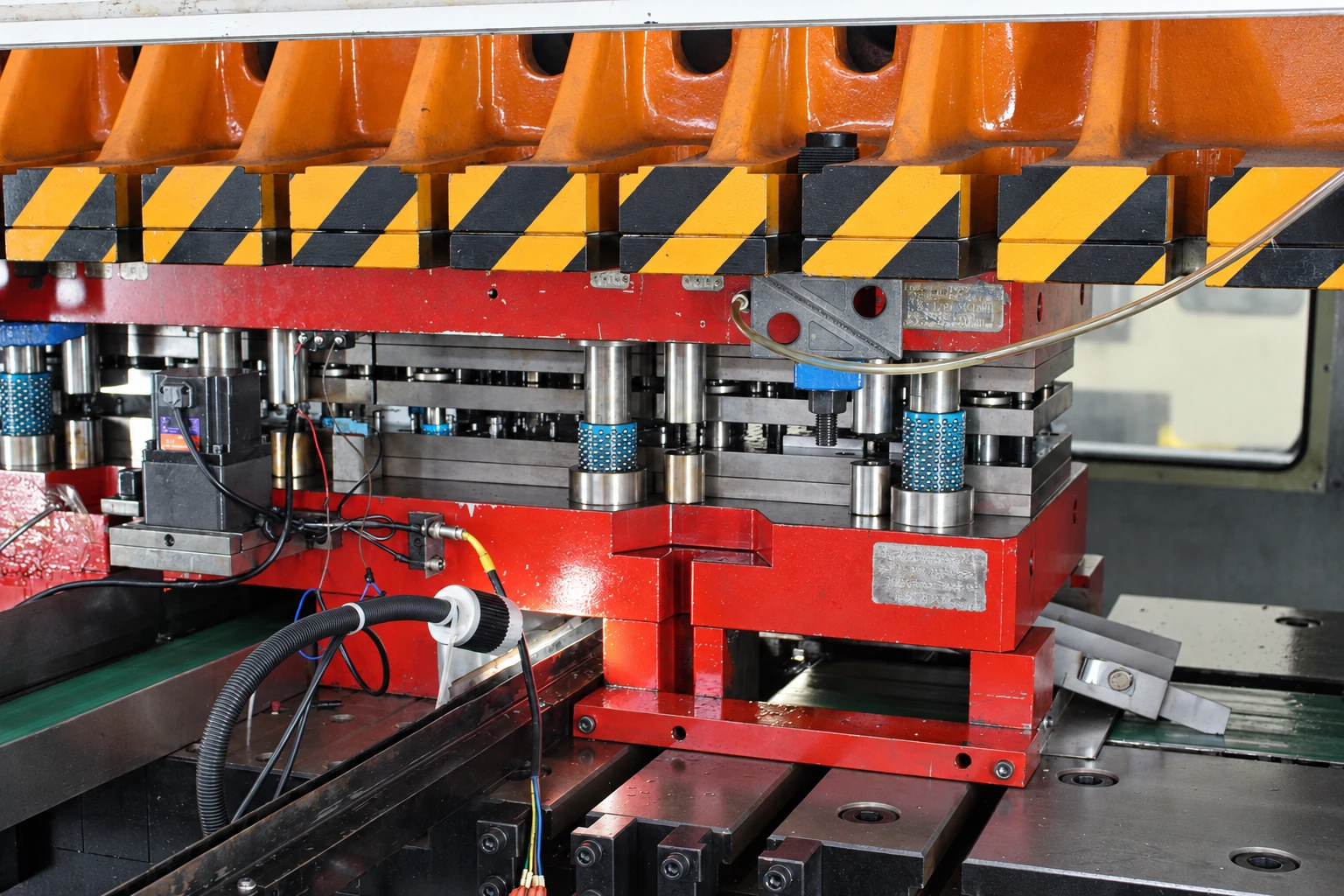
Motor laminations: stamping, interlocking and insulation coating
How slit non-oriented steel becomes stator and rotor cores: progressive-die stamping, in-die interlocking, insulation coating and the checks in between.
Transformer core stacking: from laminations to a finished three-phase core
How cut laminations become a stacked three- or five-limb core, what we check during stacking, and how finished cores are protected for transport.
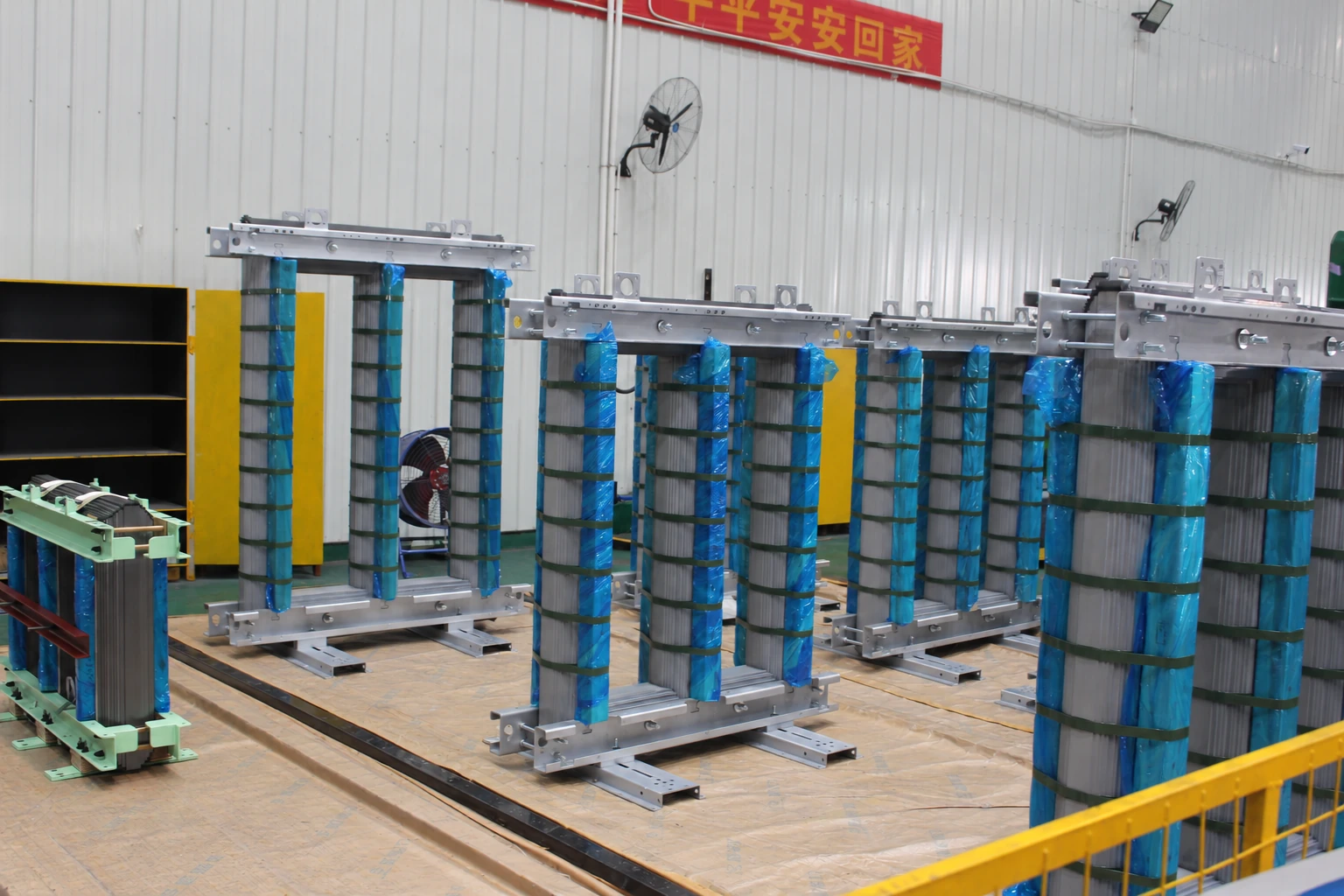
Step-lap cutting for transformer cores: why the joint matters
In a stacked core, the corner joints are where the flux has to leave the rolling direction. Step-lap joints spread that transition over several layers and help keep no-load loss and noise down.
How grain-oriented electrical steel is made: the production route step by step
Grain-oriented steel owes its low core loss to a long, tightly controlled route. Knowing the main steps helps buyers read mill certificates and understand why grades differ.
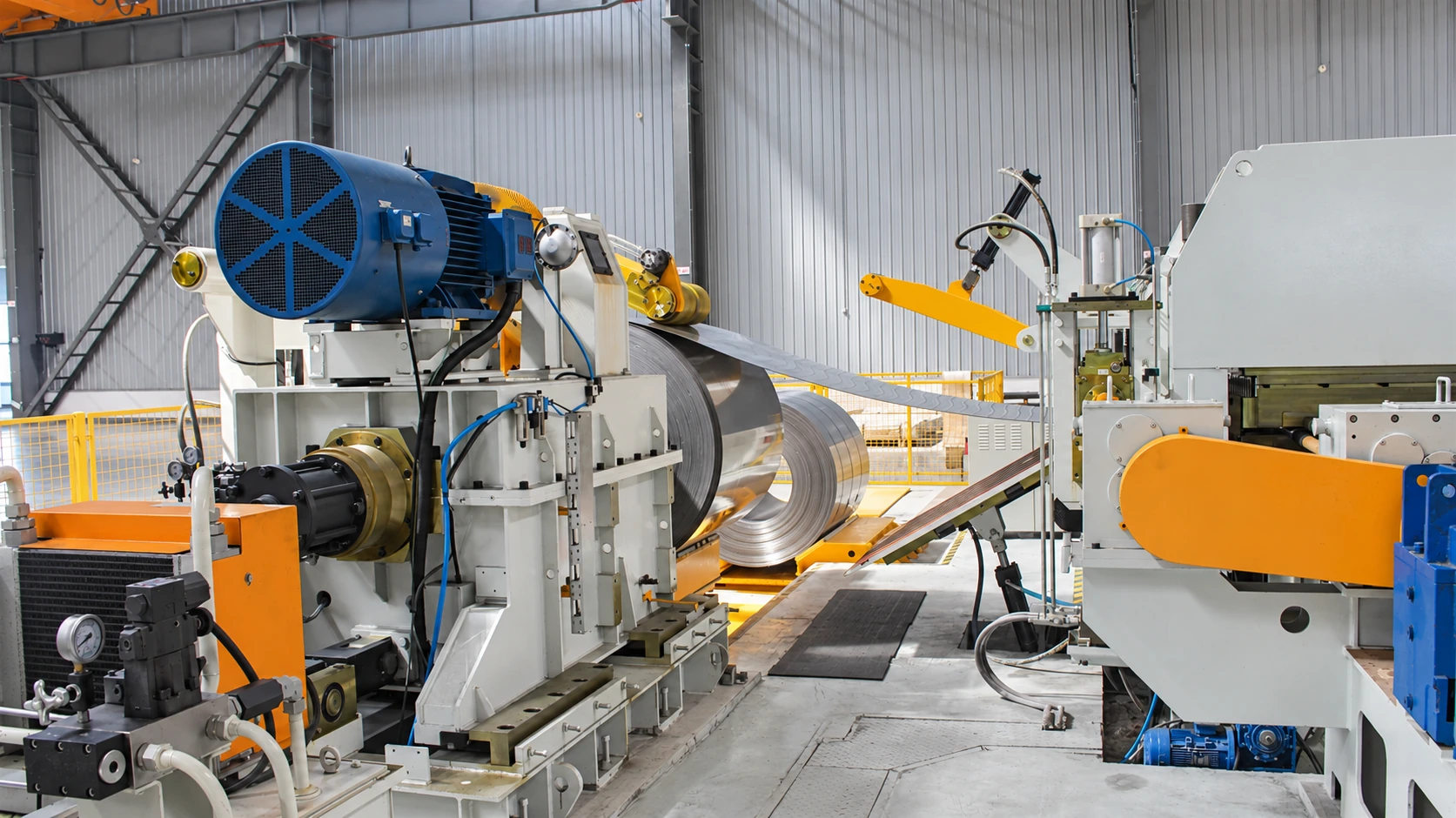
Slitting electrical steel: width, burr and edge quality
Most electrical steel is slit before it is cut or stamped. Width accuracy and burr height decide how well the strip feeds, how tightly cores stack and how much loss the edges add.
Services
Technical articles and export coordinationFor global business customers
Baosteel
Shougang
WISCO
HXES Guangzhou · Market connections
Baosteel · Shougang · WISCO
Inside the workshop,
see what comes next for materials.


Mill sources




Business inquiries
Guangzhou Huaxin Industrial Co., Ltd
- Get a quote
sales@huaxinelecsteel.com
-
TOP
